


Why Blood Cancers Are Hard to Catch in the Early Stages
Why do blood cancers so often go unnoticed until they are well established? The honest answer is that the early picture usually looks like something else. The National Cancer Institute puts it plai...
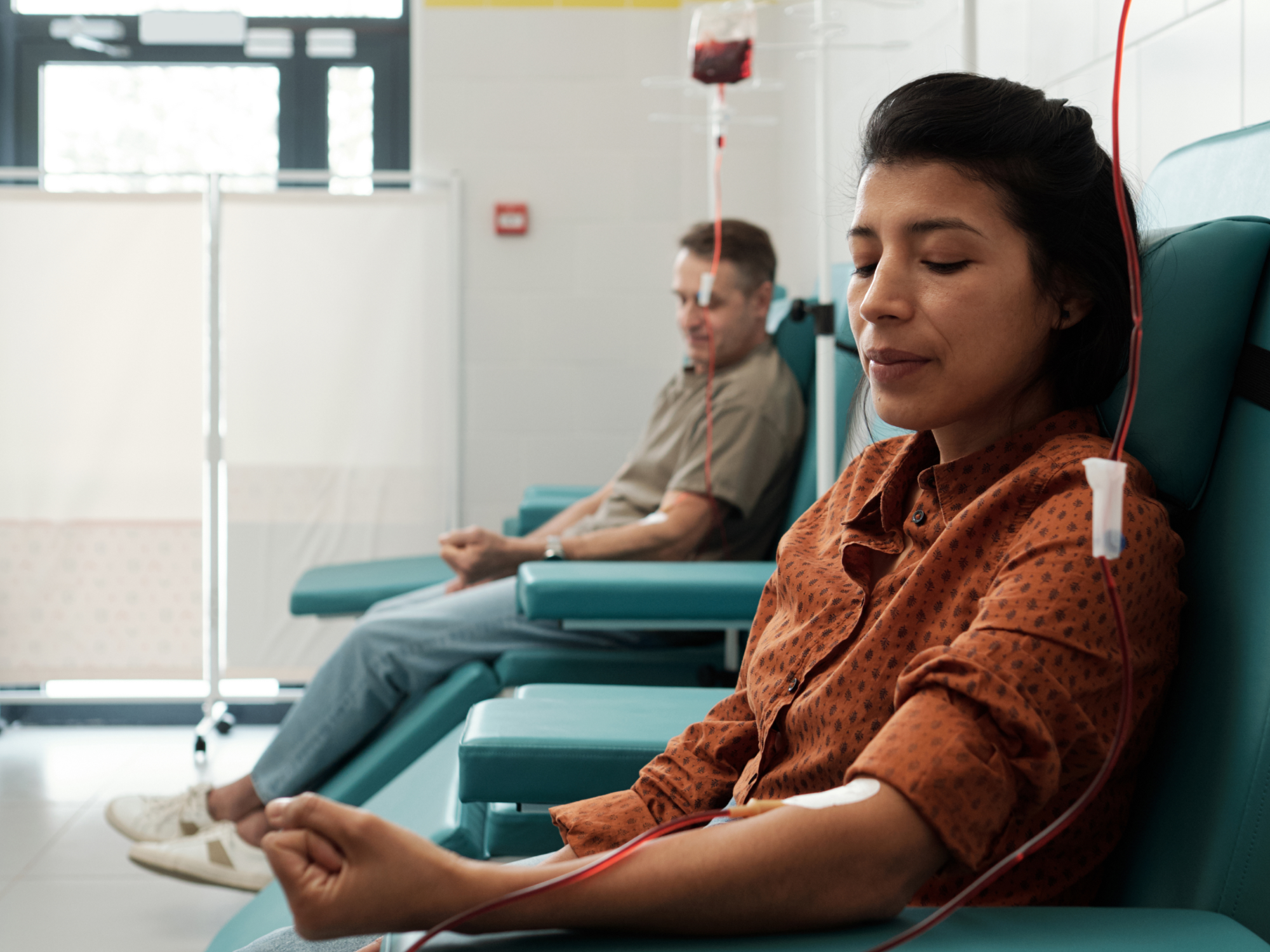
Why Diverse Blood Donors Matter — and Why to Check Your Iron First
If you've ever donated blood, you know your ABO type. Maybe you're an O-negative universal donor; maybe you're a B-positive who learned it from the little card. But that letter and sign are just th...

What Your Fingernails Can Tell You About Your Health
A manicure and a nail check are two different things, even though they happen to the same ten fingers. One is about how your hands look. The other is about what your hands might be telling you — an...

Breastfeeding and Anemia: What New Moms Should Know
Everyone told you you'd be tired. But this feels different — the kind of exhaustion that doesn't lift on the rare night the baby sleeps, that makes the stairs feel like a workout, that leaves you s...

Growth Spurts and Blood Health: What Parents Should Know About Iron, Energy, and Development
Your child suddenly needs new shoes. Their pants seem too short overnight. They're eating everything in sight, sleeping longer, and somehow still seem tired. Welcome to a growth spurt. Most parents...

Longevity and Blood Health: Why Healthy Aging Starts in Your Blood
When people think about longevity, they often think about living longer. Eating healthier.Exercising more.Taking supplements.Following the latest wellness trends. But longevity isn't simply about a...

The “Summer Slump” Explained: Blood Volume, Sleep Debt, and Recovery
You're sleeping in later. You're spending more time outside. You're taking vacations, staying up later, and trying to enjoy the season. So why do you feel so tired? Many people expect to feel more ...
Always Thirsty? What Your Hydration Signals May Say About Your Blood Health
You refill your water bottle constantly. Your mouth feels dry. You’re drinking water—but still feel thirsty. So you assume the answer is simple: Drink more water. And sometimes, that’s exactly what...

Immunotherapy and Anemia: Why Cancer Treatment Can Leave You Feeling Exhausted
Cancer treatment can be physically and emotionally demanding. But sometimes, one symptom stands out above the rest: The exhaustion doesn’t improve with rest. Not ordinary tiredness. Not the kind of...

Bloating, Fatigue, and Brain Fog: Is It Your Gut or Your Blood?
You feel bloated after meals.Your energy dips in the afternoon.Your focus isn’t as sharp as it used to be. So you start where most people do: your gut. Maybe it’s digestion. Maybe it’s inflammation...

You’re Monitoring the Wrong Things: Why Blood Health Should Be Your #1 Metric
Step counts. Sleep scores. Heart rate variability. Hydration reminders. If you use a smartwatch or health app, you’re probably tracking more data about your body than ever before. Modern wellness c...

What Does “Pre-Cancer” Actually Mean?
You’re at a routine appointment when the doctor says a phrase that instantly tightens your chest: “The results show some pre-cancerous changes.” Your mind jumps straight to the worst possible outco...