

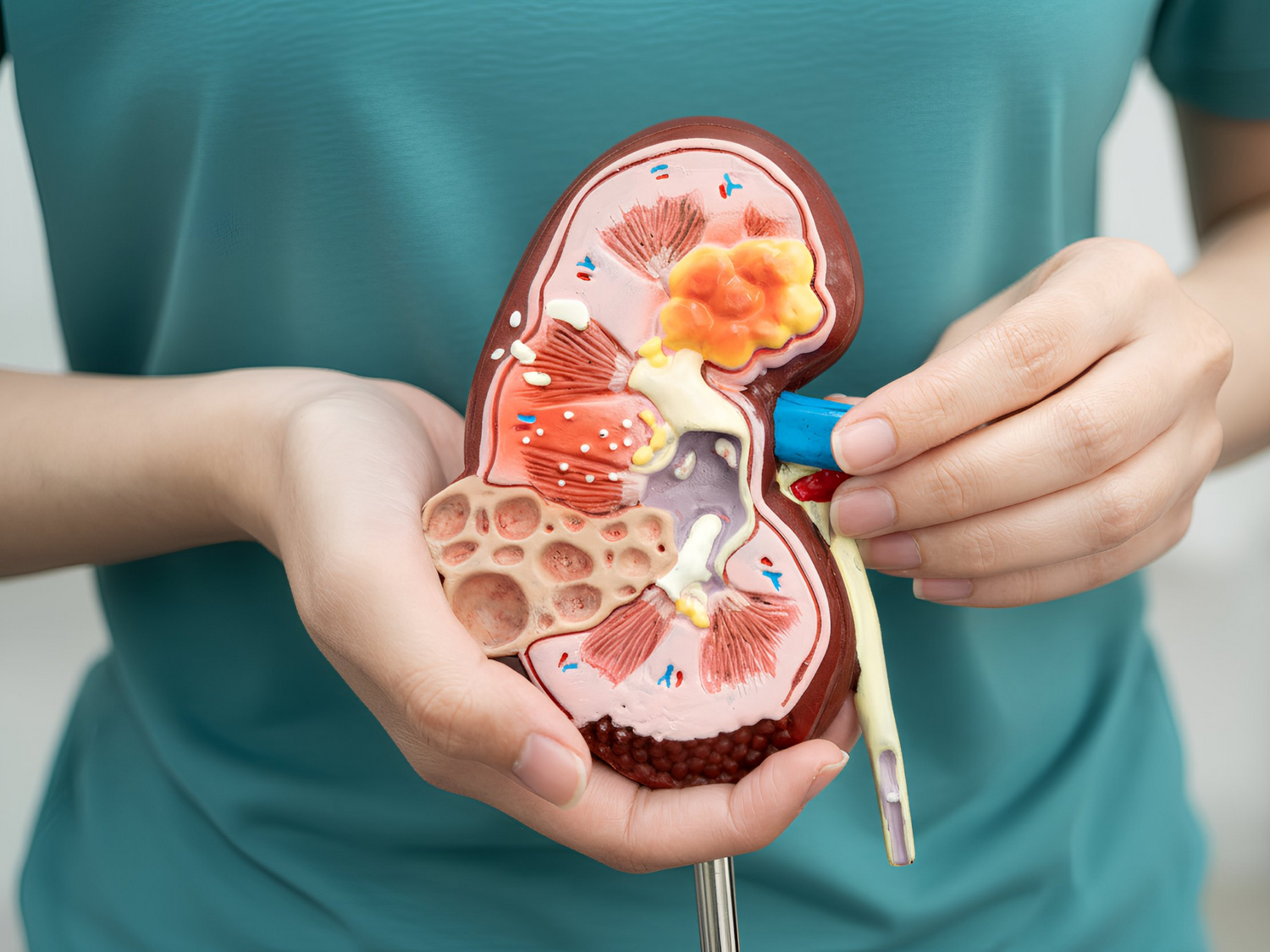
You probably know your kidneys make urine — but that's just the beginning. These fist-sized organs tucked behind your ribcage are quietly running some of your body's most critical operations, many of which directly affect your blood health, energy levels, and overall well-being.
What Do Your Kidneys Actually Do?
Your kidneys filter about 50 gallons of blood every single day, removing waste products and excess fluid to keep your internal environment stable [1]. But filtration is only one part of the job. Here's what else they're doing around the clock.
Your kidneys regulate blood pressure by controlling how much fluid stays in your bloodstream and producing an enzyme called renin, which activates a hormone system that tightens or relaxes blood vessels as needed. They also produce a hormone called erythropoietin (EPO), which signals your bone marrow to make red blood cells — the cells responsible for carrying oxygen throughout your body. When kidney function declines, EPO production drops, which can lead to fewer red blood cells and lower hemoglobin levels. This is one of the key reasons kidney problems and blood health are so closely connected.
On top of all that, your kidneys balance electrolytes like sodium, potassium, and calcium, and they help activate vitamin D for bone health. In short, your kidneys are central command for blood pressure, blood cell production, fluid balance, and mineral regulation — far more than a waste removal system.
What Are the Symptoms of Poor Kidney Function?
Kidney problems often develop silently. By the time symptoms appear, significant function may already be compromised. Here are early warning signs to watch for.
Persistent fatigue and brain fog can signal that your kidneys aren't producing enough EPO, leading to fewer red blood cells carrying oxygen to your brain and muscles. Swelling in your hands, feet, or ankles may indicate your kidneys are struggling to remove excess fluid. Changes in urination — whether more frequent, less frequent, foamy, or dark-colored — can reflect filtration problems [2].
Other signs include shortness of breath (from fluid buildup or low red blood cell count), persistent itching (from waste accumulation in the blood), and loss of appetite or nausea. Because many of these symptoms overlap with other conditions, they're easy to dismiss. If you notice several of these together, consult your healthcare provider — early detection makes a significant difference in outcomes.
What Habits Can Damage Your Kidneys?
Some everyday habits put more strain on your kidneys than you might realize.
Chronic dehydration forces your kidneys to concentrate urine with less water, which over time can contribute to kidney stone formation and reduced function. Excessive sodium intake raises blood pressure, and since your kidneys regulate blood pressure, this creates a damaging feedback loop — high blood pressure harms kidney tissue, and damaged kidneys struggle to control blood pressure.
Regular overuse of NSAIDs like ibuprofen and naproxen can reduce blood flow to the kidneys and cause direct tissue damage with prolonged use [3]. Excessive alcohol consumption strains kidney filtration and can cause acute dehydration. Unmanaged high blood sugar — even without a diabetes diagnosis — damages the small blood vessels in your kidneys over time. And diets high in processed foods deliver a combination of excess sodium, sugar, and phosphorus additives that compound kidney stress.
The common thread across all of these habits is that they either reduce blood flow to the kidneys or overload their filtration capacity. Small, consistent changes can reduce that burden significantly.
How Can You Support Healthy Kidney Function?
The good news is that many of the same habits that support overall health also protect your kidneys.
Staying well-hydrated is foundational. Water helps your kidneys flush waste efficiently, and adequate hydration supports healthy blood flow and circulation. The general recommendation is about 8 cups daily, though your needs may vary with activity level, climate, and body size. When it comes to beverages, plain water is the best choice for your kidneys. Herbal teas and water infused with citrus can also be supportive, while limiting sugary drinks and excessive caffeine reduces unnecessary kidney workload.
Eating kidney-supportive foods makes a meaningful difference. Berries, leafy greens, red bell peppers, garlic, and fatty fish like salmon provide antioxidants and anti-inflammatory compounds that protect kidney tissue. Limiting sodium to under 2,300 mg per day helps manage blood pressure and reduces kidney strain [4].
Regular physical activity improves circulation and helps regulate blood pressure, both of which directly benefit your kidneys. And because kidneys are so closely tied to blood pressure, managing stress and getting quality sleep also play supporting roles.
Most importantly, regular check-ups that include kidney function tests (like GFR and BUN) can catch changes early — before symptoms appear. Talk to your healthcare provider about how often you should be tested, especially if you have risk factors like high blood pressure, diabetes, or a family history of kidney disease.
How to Monitor Your Kidney and Blood Health
Because kidney health and blood health are deeply connected, monitoring both gives you a more complete picture of your well-being. Your kidneys drive red blood cell production and regulate the fluid balance that affects circulation — so when kidney function shifts, blood health indicators often shift too.
The Ruby app helps you stay aware of these changes between doctor visits. Using patented fingernail selfie technology, Ruby estimates your Iron Score (your likelihood of iron deficiency) and Circulation Score (how well blood flows through your fingertips) — both indicators that kidney function directly influences. Ruby also tracks daily hydration, which is one of the most important habits for supporting kidney health.
Download Ruby today and take a proactive step toward understanding your blood health. [Click here to download via iOS or Android app stores.]
References
[1] National Institute of Diabetes and Digestive and Kidney Diseases. "Your Kidneys & How They Work." https://www.niddk.nih.gov/health-information/kidney-disease/kidneys-how-they-work
[2] National Kidney Foundation. "10 Signs You May Have Kidney Disease." https://www.kidney.org/news-stories/10-signs-you-may-have-kidney-disease
[3] National Kidney Foundation. "Pain Medicines and Kidney Disease." https://www.kidney.org/kidney-topics/pain-medicines-and-kidney-disease
[4] American Heart Association. "How Much Sodium Should I Eat Per Day?" https://www.heart.org/en/healthy-living/healthy-eating/eat-smart/sodium/how-much-sodium-should-i-eat-per-day


Leave a comment
This site is protected by hCaptcha and the hCaptcha Privacy Policy and Terms of Service apply.