

What Does Polycythemia Mean?
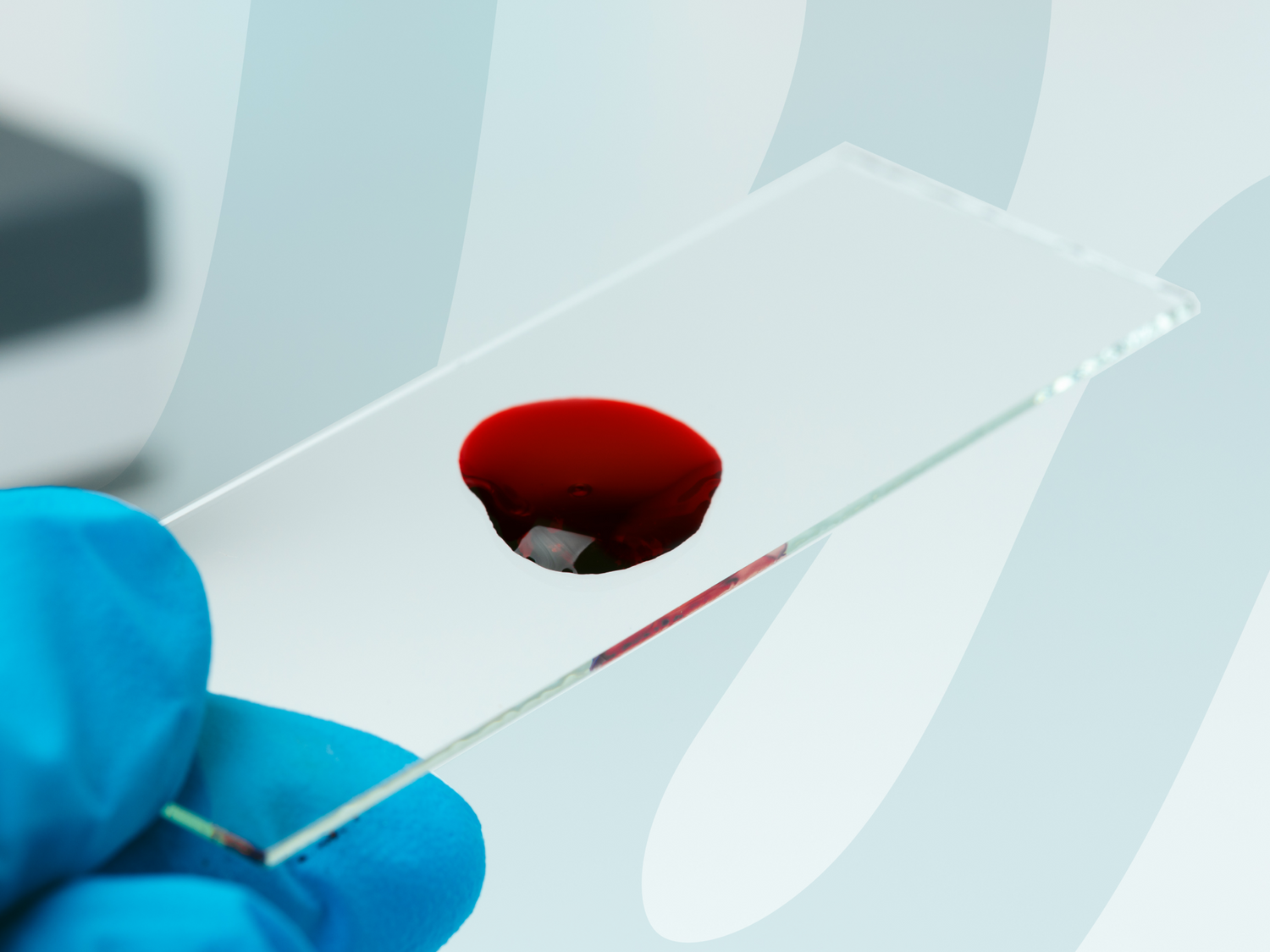
Polycythemia is a blood disorder characterized by an abnormally high concentration of red blood cells. This excess makes blood thicker, slowing blood flow and increasing the risk of blood clots, strokes, and heart attacks. For centuries, physicians recognized this condition through visible symptoms long before modern blood tests existed.
Why Do Too Many Red Blood Cells Cause Problems?
Your blood normally has a balanced ratio of red blood cells to plasma (the liquid component). When you have too many red blood cells, your blood becomes more viscous, like trying to pour honey instead of water through a straw. This slowed blood flow increases the risk of clot formation and strains your heart, which must work harder to pump thicker blood.
This "thick blood" was so visually distinctive that physicians recognized polycythemia centuries before they could measure red blood cell counts.
How Did Doctors Diagnose Polycythemia Without Blood Tests?
Before the Complete Blood Count became standard in the 20th century, physicians identified polycythemia through striking physical signs—some so obvious they were impossible to miss.
What Physicians Observed
The "Plethoric" Appearance:
- Deep red or purplish complexion in the face, palms, and nail beds
- "Bloodshot" eyes with engorged retinal veins
- Painful redness and burning sensation in hands and feet (erythromelalgia)
Physical Examination:
- Enlarged spleen (splenomegaly)—present in approximately 75% of patients
- Distended, prominent veins are visible on the body's surface
Classic Symptoms from "Thick Blood":
- Severe headaches, dizziness, and vertigo
- Visual disturbances like "blind spots"
- Aquagenic pruritus: Intense itching that occurs specifically after warm baths or showers—one of the most distinctive diagnostic signs
- Unusual bleeding (bleeding gums, frequent nosebleeds) despite having "too much" blood
Historical Recognition
French physician Louis Henri Vaquez first formally described polycythemia as a distinct clinical entity in 1892. He observed a patient with chronic congestion, vertigo, and a massively enlarged spleen. In 1903, William Osler refined these observations into a systematic case series that helped other doctors recognize the disorder before modern diagnostic tools became available.
How Was Polycythemia Treated Historically?
For centuries, polycythemia was treated with leeches as part of the broader medical practice of bloodletting. The underlying principle—removing blood to reduce thickness—remains valid today, though the methods have drastically improved.
The Era of Bloodletting
Medical tradition from antiquity through the 19th century was based on balancing four "humors"—blood, phlegm, black bile, and yellow bile. Polycythemia symptoms, particularly the characteristic red complexion (called "plethora"), were viewed as a clear sign of excess blood that needed to be removed.
During the early 19th century, leeching reached peak popularity, particularly in France, where millions of leeches were imported annually to treat nearly every ailment—including what we now recognize as polycythemia.
Why Physicians Preferred Leeches
Leeches offered several perceived advantages over traditional surgical bloodletting:
- Less traumatic: They were considered "kinder and gentler" than making deep incisions with lancets
- Access to sensitive areas: Could be applied to hard-to-reach or delicate areas like the face, mouth, or near the eyes
- Natural anticoagulants: Leech saliva contains hirudin, which prevents blood clotting and allows wounds to continue bleeding after the leech is removed—thus removing more blood
Modern Evolution
Today's therapeutic phlebotomy uses sterile needles instead of leeches, but the core principle remains identical: removing blood to lower red blood cell concentration and reduce blood thickness.
Historical Note: Medicinal leeches are still FDA-approved today, though they're primarily used by surgeons for reconstructive and plastic surgery to relieve venous congestion—not for systemic blood disorders like polycythemia.
What Are the Different Types of Polycythemia?
Modern medicine recognizes three distinct forms of polycythemia, each with different causes requiring different treatments.
1. Primary Polycythemia (Polycythemia Vera)
This is a rare, slow-growing blood cancer caused by a genetic mutation—typically in the JAK2 gene—in the bone marrow. The mutated bone marrow produces uncontrolled amounts of red blood cells and sometimes white blood cells and platelets.
Key characteristics:
- The problem originates in the bone marrow itself (not a reaction to external factors)
- Typically diagnosed in adults over 60
- JAK2 mutation is present in approximately 95% of cases
2. Secondary Polycythemia
This is the most common form—a reaction to external factors or underlying conditions. The body produces excess erythropoietin (EPO), a hormone that signals the bone marrow to make more red blood cells.
Common triggers:
- Low oxygen conditions (hypoxia): Chronic lung disease (COPD), sleep apnea, or living at high altitudes
- Lifestyle factors: Heavy smoking or carbon monoxide exposure
- Other causes: Certain tumors, kidney disorders, or anabolic steroid use
Key difference: When you treat the underlying cause, secondary polycythemia often resolves.
3. Relative Polycythemia
This represents an apparent increase in red blood cells rather than an actual overproduction. Loss of blood plasma volume makes the concentration of RBCs appear higher.
Common cause: Severe dehydration from vomiting, diarrhea, excessive sweating, or diuretic overuse.
Key characteristic: This isn't a true increase in RBC count—just a concentration shift. Rehydration resolves it.

What Are the Symptoms of Polycythemia?
The same symptoms physicians observed in the 1800s remain key warning signs today—though we now have blood tests to confirm the diagnosis rather than relying solely on observation.
Common symptoms include:
- Fatigue and general weakness
- Headaches, dizziness, or vertigo
- Itchy skin after warm baths or showers (aquagenic pruritus)—still one of the most distinctive signs
- Flushed complexion in the face, hands, or feet (the historic "plethoric look")
- Shortness of breath, which may worsen when lying down
- Visual disturbances such as blurred or double vision
Important: Many of these symptoms are non-specific and could indicate other conditions. Only blood work can confirm polycythemia. If you experience multiple symptoms, consult your healthcare provider.
How Is Polycythemia Diagnosed and Treated Today?
Modern medicine has transformed both how we diagnose and treat polycythemia—moving from observation-based medicine to precision diagnostics and targeted therapies.
Modern Diagnosis
Complete Blood Count (CBC):
- Measures hemoglobin and hematocrit levels
- Hematocrit shows the percentage of blood volume made up of red blood cells
- Elevated levels trigger further investigation
Genetic Testing:
- Checks for the JAK2 gene mutation
- Present in approximately 95% of polycythemia vera cases
- Helps distinguish primary from secondary polycythemia
Erythropoietin (EPO) Level Assessment:
- Low EPO suggests polycythemia vera (bone marrow overproducing on its own)
-
High EPO suggests secondary polycythemia (body signaling for more RBCs in response to low oxygen or other triggers)
Additional Testing:
- Oxygen saturation levels
- Imaging to check for tumors or kidney problems
- Sleep studies if sleep apnea is suspected
Modern Treatment
Treatment focuses on four main goals, using methods far more precise than historical bloodletting—but based on the same core principles:
Reduce Blood Thickness:
- Therapeutic phlebotomy: Regular removal of a unit of blood (similar to blood donation) to lower RBC count and reduce blood viscosity
- This is modern bloodletting—using sterile needles instead of leeches
Control Cell Production:
- Medications: Bone marrow suppressants like hydroxyurea or targeted therapies like ruxolitinib
- These reduce RBC production at its source
Prevent Blood Clots:
- Low-dose aspirin: Often prescribed to thin the blood further and reduce platelet aggregation
- Critical for preventing the most serious complications (strokes, heart attacks)
Address Root Causes (for secondary polycythemia):
- CPAP therapy for sleep apnea
- Smoking cessation programs
- Oxygen therapy for chronic lung disease
- Treatment of underlying tumors or kidney disorders
Treatment Approach by Type
Polycythemia Vera: Requires lifelong management with a combination approach—typically phlebotomy plus medications plus aspirin therapy.
Secondary Polycythemia: Treatment focuses on the underlying condition. When the root cause is addressed, polycythemia often improves or resolves.
Relative Polycythemia: Rehydration and addressing the causes of fluid loss typically resolve the condition.
What Does Long-Term Management Look Like?
With proper treatment, most people with polycythemia can manage the condition effectively and significantly reduce their risk of complications.
Key management strategies include:
- Regular monitoring: Frequent blood work to track RBC levels and adjust treatment as needed
- Stay well-hydrated: Drinking adequate fluids prevents blood from thickening further
- Avoid smoking: Smoking reduces oxygen levels in the blood, which can worsen secondary polycythemia
- Manage underlying conditions: Careful management of sleep apnea, lung disease, or other contributing factors
- Watch for blood clot symptoms: Know the warning signs—sudden leg pain or swelling, chest pain, or difficulty breathing—and seek immediate medical care if they occur
Can You Monitor Blood Health Between Doctor Visits?
While polycythemia requires professional medical management, monitoring general blood health between appointments can provide valuable insights into how well your treatment is working.
Ruby's Circulation Score measures blood flow in your fingertips, which can be affected by blood thickness. While Ruby doesn't diagnose polycythemia, tracking circulation trends between medical appointments may help you notice changes worth discussing with your healthcare provider.
Important: Ruby is a wellness tool that complements—not replaces—medical care. Polycythemia requires diagnosis and treatment by healthcare professionals. Always consult your provider for medical decisions.
Click here to download Ruby via the iOS or Android app stores.
Why Understanding Polycythemia Matters
From the "plethoric face" physicians observed in the 1800s to the genetic testing available today, our understanding of polycythemia has evolved dramatically—but the core insight remains the same: too many red blood cells create thick blood that requires management.
The key is awareness: knowing the symptoms (some unchanged since Vaquez first described them in 1892), getting regular blood work if you're at risk, and working closely with your healthcare team to keep your blood thickness under control.
Related Reading:
References
[1] National Organization for Rare Disorders (NORD). "Polycythemia Vera." Disease overview including symptoms, causes, and treatment. Available at: https://rarediseases.org/rare-diseases/polycythemia-vera/
[2] Osmosis. "Polycythemia." Comprehensive overview of polycythemia types, symptoms, and diagnosis. Available at: https://www.osmosis.org/answers/polycythemia
[3] Medscape. "Polycythemia." Clinical overview including primary vs. secondary polycythemia differentiation. Available at: https://emedicine.medscape.com/article/205039-overview



Leave a comment
This site is protected by hCaptcha and the hCaptcha Privacy Policy and Terms of Service apply.