

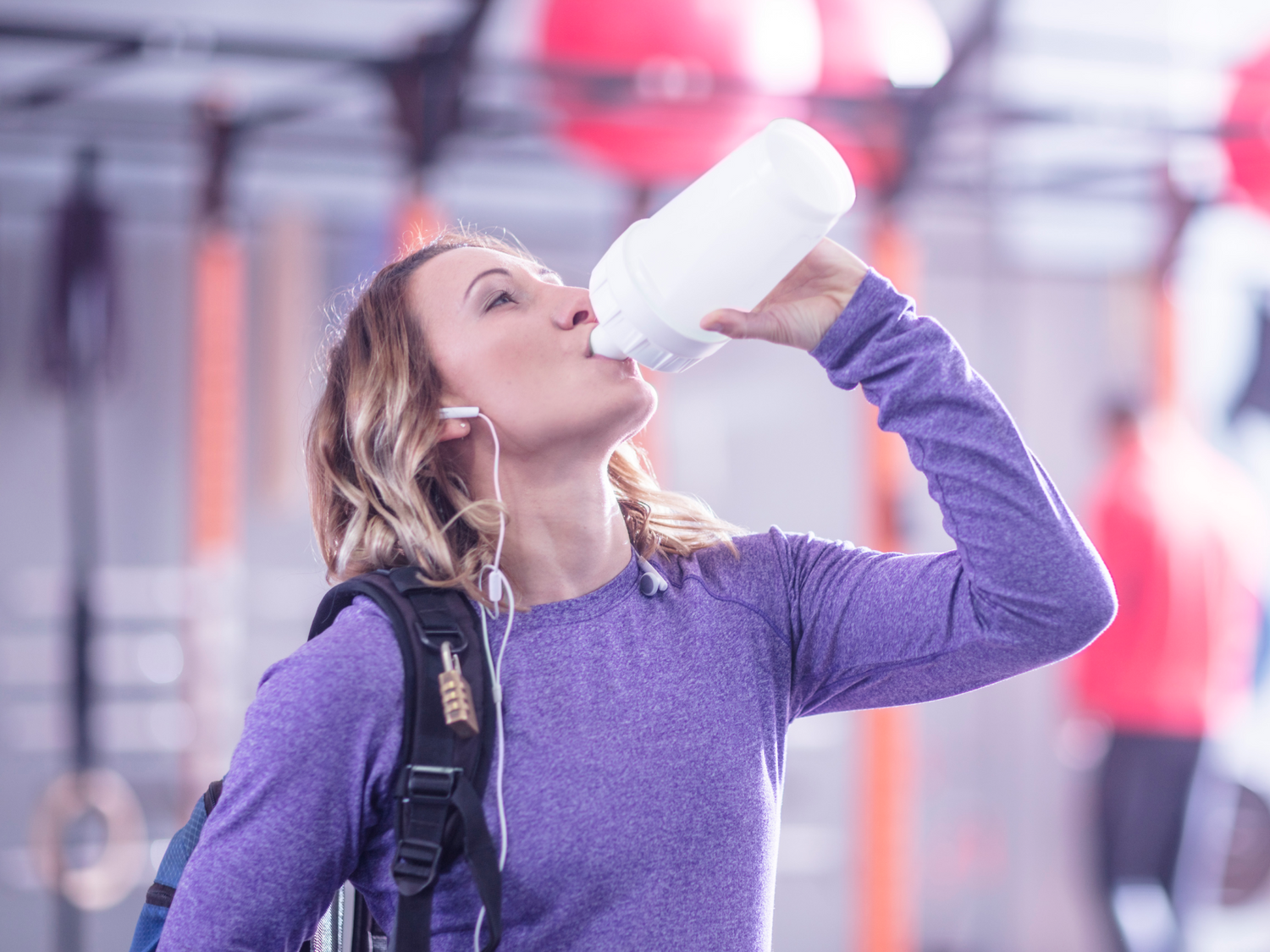
You’re eating more protein.
You’re paying attention to your nutrition.
You’re trying to feel more energized, more focused, more like yourself.
And yet—something still feels off.
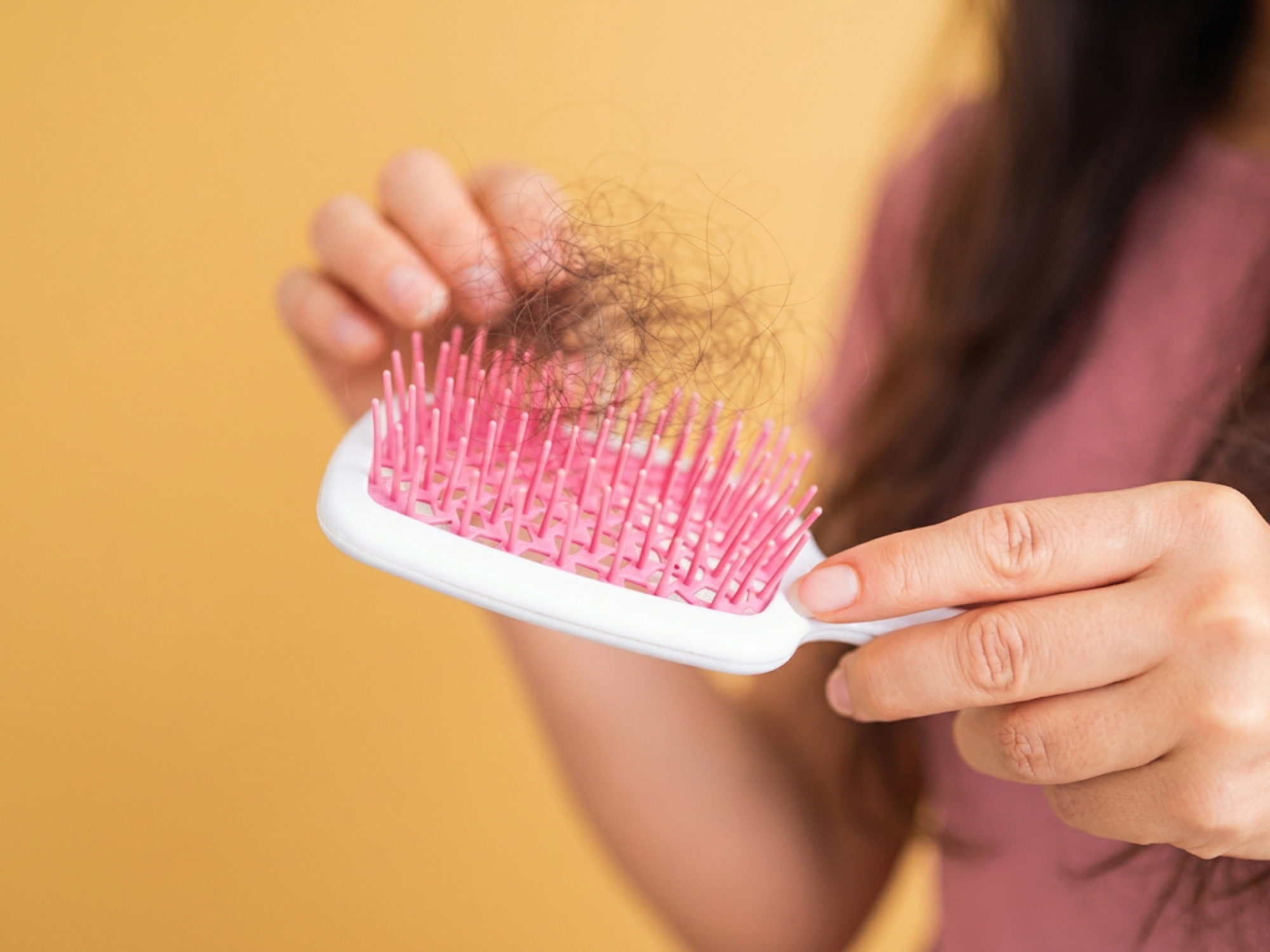
Low energy. Brain fog. Slower recovery. Maybe even hair shedding or feeling colder than usual.
It’s easy to assume the issue is calories, hormones, or stress. But there’s another possibility that often gets overlooked:
Your body may not be absorbing or using nutrients—especially iron—as effectively as it needs to.
For women, metabolism isn’t just about how many calories you burn. It’s deeply connected to how your body processes nutrients, supports oxygen delivery, and maintains energy at the cellular level.
Understanding how protein and iron absorption work together can clarify why some nutrition strategies feel effective—and others don’t.
Why Iron Plays a Central Role in Women’s Metabolism
Iron is essential for producing hemoglobin, the protein in red blood cells responsible for carrying oxygen throughout the body.
Oxygen fuels cellular metabolism—the process your body uses to generate energy. When iron levels are low, oxygen delivery becomes less efficient, which can impact:
- Energy levels
- Physical performance
- Cognitive function
- Temperature regulation
- Hormonal balance
Women are particularly at risk for low iron levels due to:
- Menstrual blood loss
- Pregnancy and postpartum changes
- Higher iron demands during reproductive years
According to the World Health Organization, iron deficiency remains one of the most common nutrient deficiencies worldwide, disproportionately affecting women of reproductive age [1].
Protein and Iron: A Metabolic Partnership
Protein is often associated with muscle building, but its role goes far beyond that.
Protein provides amino acids that support:
- Enzyme production
- Hormone regulation
- Tissue repair
- Nutrient transport
It also plays a critical role in iron metabolism.
Certain proteins help transport iron through the bloodstream and store it in tissues. Without adequate protein intake, the body may struggle to effectively utilize iron—even if dietary iron intake appears sufficient [2].
In addition, protein-rich foods can enhance iron absorption depending on the source.
For example:
- Animal-based proteins (heme iron sources) such as red meat, poultry, and fish contain iron that is more easily absorbed by the body.
- Plant-based iron (non-heme iron) is less readily absorbed and is more sensitive to dietary inhibitors and enhancers [3].
This distinction becomes especially important when evaluating dietary patterns and energy levels.
Why Iron Absorption Is Often the Missing Piece
Iron intake is only part of the equation.
Absorption—the body’s ability to take in and use that iron—is equally important.
Several factors influence iron absorption:
What Helps Iron Absorption
- Vitamin C (found in citrus, berries, and bell peppers) can significantly enhance non-heme iron absorption
- Animal protein (heme iron) is more efficiently absorbed
- Balanced meals combining protein + iron sources support better uptake
What Can Inhibit Iron Absorption
- Calcium (when consumed in large amounts alongside iron-rich meals)
- Phytates (found in some grains and legumes)
- Polyphenols (in tea and coffee)
- Certain medications or digestive conditions
The National Institutes of Health notes that non-heme iron absorption can vary widely depending on these dietary factors [2].
This means someone can be eating “healthy” but still not absorbing enough iron to support optimal function.
How This Affects Energy, Hair, and Metabolic Health
When iron absorption is suboptimal, the effects can show up in ways that don’t always point directly to nutrition.
Common signs may include:
- Persistent fatigue
- Brain fog or reduced concentration
- Hair thinning or increased shedding
- Reduced exercise performance
- Feeling cold more easily
Because these symptoms develop gradually, they are often attributed to stress, aging, or hormonal changes.
But at a physiological level, many of these experiences relate to oxygen delivery and cellular energy production.
Without sufficient iron—and the protein needed to support its transport and use—the body’s metabolic efficiency can decline.
Why Women’s Metabolism Is Not One-Size-Fits-All
Women’s metabolic needs shift over time due to:
- Menstrual cycles
- Pregnancy and postpartum recovery
- Perimenopause and menopause
- Changes in activity levels or stress
These shifts influence both nutrient requirements and nutrient utilization.
For example, increased iron needs during menstruation or pregnancy may not be met by diet alone, especially if absorption is limited.
This is why a one-size-fits-all approach to nutrition—especially trends focused only on protein intake or calorie tracking—can miss key aspects of metabolic health.
What Actually Helps: A Practical Approach
Rather than focusing on isolated nutrients, a more effective approach considers how nutrients work together.
Strategies that support both protein intake and iron absorption include:
- Pairing iron-rich foods with vitamin C sources
- Including high-quality protein in meals
- Spacing calcium supplements away from iron-rich meals
- Being mindful of tea or coffee timing around meals
- Monitoring how your body responds over time
These small adjustments can meaningfully influence how the body absorbs and utilizes nutrients.
Tracking What Your Body Is Actually Doing
Nutrition is only part of the picture. The next step is understanding how your body responds over time.
Changes in energy, recovery, and overall wellness often reflect underlying shifts in circulation and oxygen delivery.
The Ruby app offers a simple way to track these patterns between healthcare visits. Using fingernail selfie technology, Ruby estimates your Iron Score, which reflects the likelihood of iron-related changes, and your Circulation Score, which measures how blood is moving through your fingertips.
These scores are not diagnostic, but they provide a personal baseline and trend data, helping you better understand how your body is responding to nutrition, lifestyle, and daily habits.
Download Ruby on iOS or Android to start tracking today.
As always, if you experience persistent symptoms such as fatigue, hair loss, or shortness of breath, consult a qualified healthcare provider.
References
[1] World Health Organization. “Anaemia.”
https://www.who.int/health-topics/anaemia
[2] National Institutes of Health Office of Dietary Supplements. “Iron Fact Sheet.”
https://ods.od.nih.gov/factsheets/Iron-HealthProfessional/
[3] Harvard T.H. Chan School of Public Health. “Iron.”
https://www.hsph.harvard.edu/nutritionsource/iron/
[4] Cleveland Clinic. “Iron Deficiency Anemia.”
https://my.clevelandclinic.org/health/diseases/22824-iron-deficiency-anemia


Leave a comment
All comments are moderated before being published.
This site is protected by hCaptcha and the hCaptcha Privacy Policy and Terms of Service apply.