

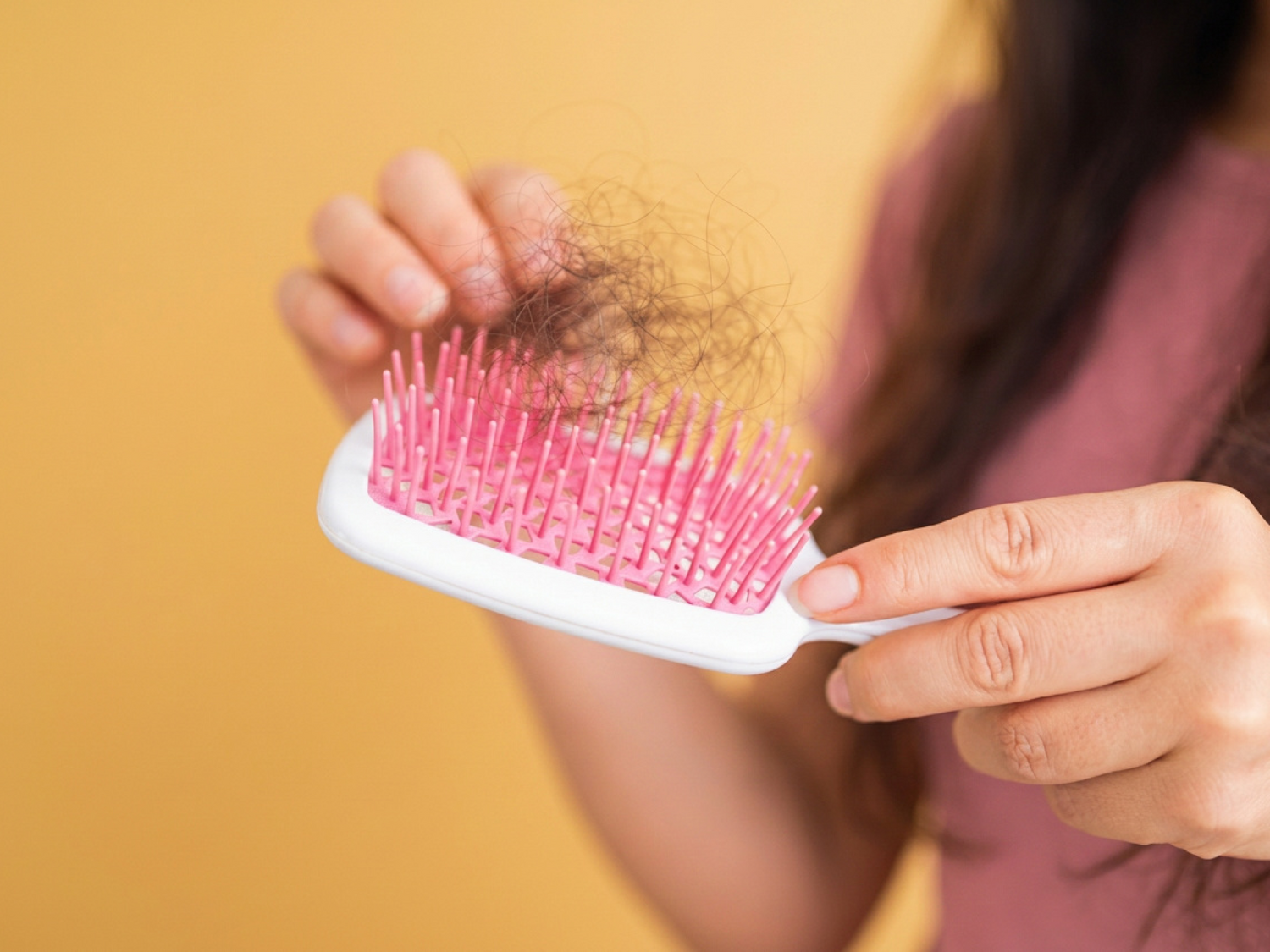
You notice more hair in the shower drain.
Your ponytail feels thinner.
Your part looks wider than it used to.
At first, you brush it off.
It’s stress. It’s seasonal. It’ll pass.
And sometimes, that’s true.
But when hair shedding continues or starts to feel different than usual, it may be worth asking a deeper question:
Is this really just stress… or is your body signaling something else?
Hair growth is closely tied to what’s happening beneath the surface, particularly your body’s ability to deliver oxygen, nutrients, and hormonal signals to hair follicles.
Understanding what drives hair loss in women can help you move beyond assumptions and start identifying what your body may actually need.
Why Hair Loss Happens: The Basics
Hair grows in cycles.
Each strand goes through phases of growth (anagen), transition (catagen), and shedding (telogen). At any given time, a percentage of hair is naturally shedding as part of this cycle.
However, certain triggers can push more hair follicles into the shedding phase at once—a condition known as telogen effluvium [1].
This can result in noticeable thinning over weeks or months.
Common triggers include:
- Physical or emotional stress
- Illness or infection
- Hormonal changes
- Nutritional deficiencies
- Significant weight changes
Because stress is a well-known trigger, it’s often the default explanation—but it’s not the only one.
When It’s Not Just Stress
Hair follicles are highly active cells, which means they require a steady supply of oxygen and nutrients to function properly.
When the body prioritizes essential organs during periods of imbalance, hair growth can be deprioritized.
One of the most common underlying factors in women is iron deficiency.
Iron supports the production of hemoglobin, which carries oxygen to tissues, including the scalp. When iron levels are low, oxygen delivery to hair follicles may be reduced, potentially affecting hair growth and contributing to shedding [2].
The American Academy of Dermatology notes that nutritional deficiencies, including low iron levels, can contribute to hair thinning in women [1].
The Role of Iron in Hair Health
Hair follicles are among the fastest-growing cells in the body and they are particularly sensitive to changes in nutrient availability.
Iron helps support:
- Oxygen delivery to hair follicles
- Cellular energy production
- Normal hair growth cycles
When iron stores are low, the body may redirect resources to more critical functions, leaving hair follicles with less support.
This can result in:
- Increased shedding
- Slower regrowth
- Thinner strands over time
According to the National Institutes of Health, iron deficiency is among the most common nutrient deficiencies worldwide, especially among women [2].
Other Factors That Can Contribute to Hair Loss
While iron plays a key role, hair loss is often multifactorial.
Other contributing factors may include:
- Hormonal Changes: Fluctuations during pregnancy, postpartum, perimenopause, or conditions like PCOS can affect hair growth cycles.
- Thyroid Function: Both hypothyroidism and hyperthyroidism can influence hair thinning.
- Nutritional Intake: Low protein intake, vitamin deficiencies (such as B12 and D), or overall calorie restriction can affect hair health.
- Chronic Stress: Prolonged stress can shift more hair follicles into the shedding phase.
Because these factors often overlap, hair loss may not have a single clear cause.
Signs It Might Be More Than Stress
While stress-related shedding is common, certain patterns may suggest a broader underlying issue:
- Hair loss lasting longer than 2–3 months
- Ongoing fatigue or low energy
- Increased hair shedding alongside feeling cold or weak
- Changes in menstrual patterns
- Thinning that doesn’t improve after stress levels decrease
These signals don’t provide a diagnosis—but they can indicate that it’s worth looking beyond stress alone.
Why Monitoring Changes Over Time Matters
Hair changes rarely happen overnight.
They often reflect shifts in the body that develop gradually, sometimes weeks or months before visible thinning occurs.
Because of this delay, it can be difficult to connect hair changes to their root cause without tracking patterns over time.
Blood health plays a central role in this process.
Changes in iron levels and circulation can influence how effectively oxygen and nutrients reach hair follicles.
Looking Beneath the Surface: The Role of Blood Health
While hair loss is often approached as a cosmetic concern, it can also reflect underlying physiological changes.
The Ruby app offers a simple way to monitor blood health patterns between healthcare visits. Using fingernail selfie technology, Ruby estimates your Iron Score, which reflects the likelihood of iron-related changes, and your Circulation Score, which measures how blood is moving through your fingertips.
These insights aren’t diagnostic, but they can help you observe trends—providing additional context for changes you may be noticing in your energy, recovery, or hair health.
Download Ruby on iOS or Android to start tracking today.
As always, if you experience persistent or significant hair loss, consult a qualified healthcare provider for evaluation.
References
[1] American Academy of Dermatology. “Hair Loss: Who Gets and Causes.”
https://www.aad.org/public/diseases/hair-loss/causes
[2] National Institutes of Health Office of Dietary Supplements. “Iron Fact Sheet.”
https://ods.od.nih.gov/factsheets/Iron-HealthProfessional/
[3] Cleveland Clinic. “Telogen Effluvium.”
https://my.clevelandclinic.org/health/diseases/24486-telogen-effluvium
[4] Harvard Health Publishing. “Treating female pattern hair loss.”
https://www.health.harvard.edu/staying-healthy/treating-female-pattern-hair-loss


Leave a comment
All comments are moderated before being published.
This site is protected by hCaptcha and the hCaptcha Privacy Policy and Terms of Service apply.