


Why does winter fatigue hit some people so much harder than others? Often, it isn't just one thing running low — it's two. Vitamin D and iron levels both tend to dip heading into winter, for different reasons, and when they drop at the same time, the fatigue and low-battery feeling can be harder to shake than either one would cause alone.
The two deficiencies don't just coincide by bad luck. They're driven by separate seasonal patterns that happen to land in the same few months, and their symptoms overlap closely enough that it's easy to mistake one for the other — or to miss both.
Why Do Vitamin D and Iron Both Drop in Winter?
Vitamin D drops because of simple geometry. At northern latitudes, the sun sits too low in the sky from roughly November through March for UVB rays to trigger vitamin D production in skin, no matter how much time is spent outside. People also cover up more in winter, which further limits the skin exposure that supports synthesis the rest of the year.
Iron's decline is more about diet than daylight. Winter eating patterns tend to lean on fewer fresh fruits and vegetables, and vitamin C — which meaningfully improves the body's ability to absorb iron from plant foods — is easy to under-eat when citrus and produce feel less appealing than in warmer months.
How Do Low Vitamin D and Low Iron Feel the Same?
This is where the two deficiencies get confusing. Fatigue, muscle aches, low mood, and trouble concentrating show up on the symptom list for both low vitamin D and low iron. Someone dealing with either one — or both — often just describes it as “a rough winter,” without a clear reason to suspect a nutrient gap rather than the season itself.
Why Might Iron Deficiency Make You Feel the Cold More?
Iron does more than support red blood cells. It also plays a role in regulating body temperature, and iron deficiency has been associated with a reduced ability to stay warm, along with the fatigue and difficulty concentrating that come with low iron more broadly. Cold hands and feet are a commonly reported symptom — which, in winter, is easy to write off as normal.
Are Vitamin D and Iron Deficiencies Connected?
They may be more linked than the calendar alone explains. Vitamin D appears to play a role in red blood cell production and in how the body absorbs and uses iron, and some research has found the two deficiencies showing up together more often than chance would predict. Neither one directly causes the other, but low levels of one nutrient may make it harder for the body to manage the other well.
Can Blood Tests Tell the Two Apart?
Given how much the symptoms overlap, guessing isn't a reliable strategy. A 25-hydroxyvitamin D blood test measures vitamin D status directly, and an iron panel — typically including ferritin — measures iron stores. Testing both is the only way to know whether one, both, or neither is behind how you're feeling.
What Helps With Each One?
For vitamin D: fatty fish, egg yolks, and fortified foods like milk and cereal all contribute meaningfully, and getting outside when the sun is out still supports overall wellbeing, even though winter sun at northern latitudes often isn't strong enough on its own to meet the body's needs.
For iron: lean meat, poultry, and seafood provide the most readily absorbed form, while beans, lentils, and leafy greens provide a plant-based form that absorbs better when paired with a vitamin C source, like citrus or bell peppers, in the same meal. Talk with a healthcare provider or registered dietitian before starting any supplement, since the right approach depends on how low your levels actually are.
Track Your Iron Score Through the Season
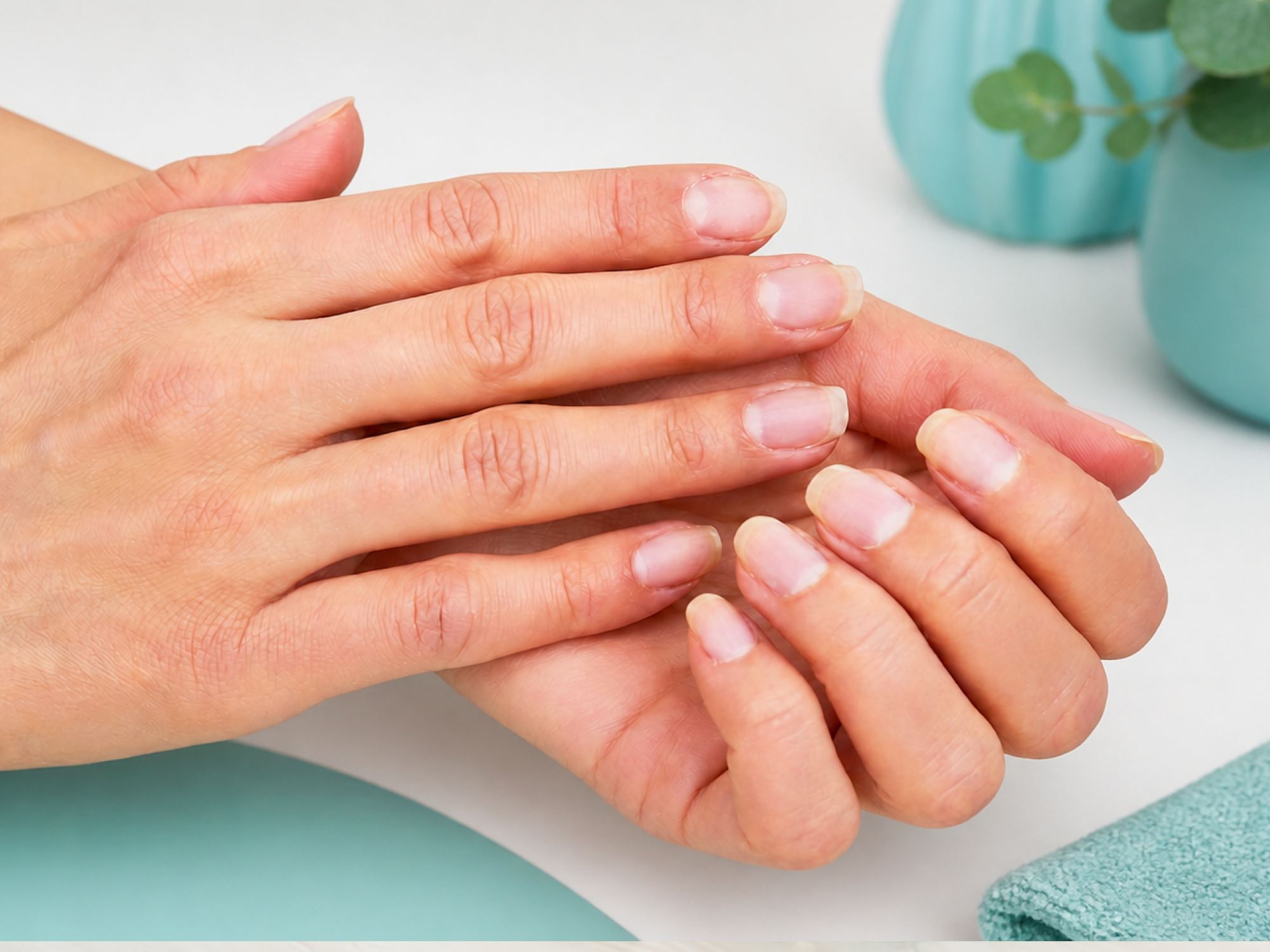
Because both deficiencies creep in gradually, a seasonal check-in can catch changes before they become a rough few months. The Ruby app estimates an Iron Score from a simple fingernail selfie, giving people an easy way to track iron-related wellness patterns over time — including through the winter months when levels are more likely to shift.
To be clear: Ruby does not test for vitamin D, and it does not diagnose iron deficiency or any other condition. It's a wellness companion best used alongside — not instead of — a lab-confirmed blood test.
Always talk with a qualified healthcare provider about your individual symptoms and which tests make sense for you.
So if the same tired, foggy, can't-get-warm feeling shows up every winter, it might be worth asking a more specific question than “is it just winter?”
Ask your provider to check both vitamin D and ferritin in the same blood draw — that way you're not chasing one deficiency while missing the other.
Common FAQs
- Can low vitamin D and low iron happen at the same time? Yes. Vitamin D typically drops due to reduced winter sunlight, while iron often dips due to seasonal dietary changes, and the two can show up together more often than expected.
- Why do I feel more tired in winter? Reduced sunlight and diet changes can lower both vitamin D and iron levels in winter, and low levels of either nutrient are commonly linked to fatigue.
- How can I tell if it's low vitamin D or low iron? The symptoms overlap closely, so a blood test — a 25-hydroxyvitamin D test and an iron panel with ferritin — is the most reliable way to tell them apart.
- Does iron deficiency make you feel cold? It can. Iron plays a role in regulating body temperature, and cold hands and feet are a commonly reported symptom of low iron.
- What foods help with both vitamin D and iron? Fatty fish covers both nutrients at once. Otherwise, fortified foods and egg yolks support vitamin D, while lean meat, beans, and leafy greens paired with a vitamin C source support iron absorption.
References
1. NIH Office of Dietary Supplements — Vitamin D: Consumer Fact Sheet: https://ods.od.nih.gov/factsheets/VitaminD-Consumer/
2. NIH Office of Dietary Supplements — Iron: Consumer Fact Sheet: https://ods.od.nih.gov/factsheets/Iron-Consumer/
3. NIH Office of Dietary Supplements — Iron: Health Professional Fact Sheet: https://ods.od.nih.gov/factsheets/Iron-HealthProfessional/
4. Cleveland Clinic Newsroom — Do You Have a Vitamin D Deficiency?: https://newsroom.clevelandclinic.org/2024/01/10/do-you-have-a-vitamin-d-deficiency
5. Healthline — Can Low Levels of Vitamin D Cause Anemia?: https://www.healthline.com/health/anemia/vitamin-d-anemia
6. PMC, National Library of Medicine — Vitamin D: The “Sunshine” Vitamin: https://pmc.ncbi.nlm.nih.gov/articles/PMC3356951/

Leave a comment
This site is protected by hCaptcha and the hCaptcha Privacy Policy and Terms of Service apply.