


The first week of school flattens everyone. Earlier alarms, new teachers, new social math to solve at lunch — it's a lot, and most kids come home wiped out.
That kind of tired is normal, and it fades. But every fall, some families notice the opposite pattern: the routine settles in, and the exhaustion doesn't lift. It deepens. For a meaningful number of kids and teens, the culprit isn't the schedule — it's iron.
Why Are the First Weeks of School So Exhausting?
Summer sleep schedules drift late, and the first weeks of school force an abrupt correction — often two hours or more, which functions like ongoing jet lag. Layer on the cognitive load of new classes and the social effort of new dynamics, and fatigue is the expected result.
Expected — and temporary. Most kids adjust within two to three weeks. That timeline is your most useful benchmark.
When Is Tiredness More Than the Transition?
Consider a closer look if, after roughly three weeks of consistent routine, your child or teen shows several of these:
- Needs a nap after school most days, or falls asleep in class
- Looks pale, particularly the face, lips, or inner lower eyelids
- Gets breathless or unusually wiped out in PE or at practice, compared with teammates
- Frequent headaches or dizziness when standing up
- Irritability or mood changes that track with the fatigue
- Always cold when everyone else is comfortable
- Chews ice constantly, or craves non-foods — a classic low-iron signal called pica
- Restless legs at night, making sleep less refreshing
None of these alone proves anything. Several together that persist past the adjustment window are a reasonable trigger for a conversation with your pediatrician.
Which Kids and Teens Are at Higher Risk for Low Iron?
- Kids in growth spurts: rapid growth expands blood volume and muscle mass, and iron demand rises with it.
- Menstruating teens: especially with heavy periods — one of the most common and most overlooked causes of low iron in adolescence.
- Student athletes: particularly distance runners: training increases iron needs while adding small losses through sweat and impact.
- Vegetarian, vegan, or just picky eaters: plant iron is absorbed less efficiently, and beige-food diets may not carry much iron at all.
-
Big milk drinkers: dairy is great for calcium, but large amounts crowd out iron-rich foods and compete with iron for absorption.
Notice how often these overlap: a 14-year-old runner who just grew three inches and has heavy periods checks three boxes at once.
What Does Low Iron Look Like at Different Ages?
In younger children, low iron often reads as behavior: irritability, poor appetite, shorter attention span, more meltdowns. In teens, it shows up in performance: slipping grades, slower race times, afternoon crashes, and a mood that parents may chalk up to adolescence. Iron matters for concentration and learning, not just energy — which is why catching it early in the school year is worth the effort.
What Should You Do Next?
- Talk to your pediatrician and describe the pattern — duration, symptoms, sport, diet, periods.
- Ask about ferritin in addition to a standard blood count. Ferritin reflects stored iron, which falls long before hemoglobin does; a child can be iron-deficient without being anemic yet.
- Don't start supplements on your own: iron dosing for kids should be guided by a clinician, and iron tablets are a leading cause of accidental poisoning in young children. Keep any iron products locked away.
- Lead with food: burgers, chicken thighs, beans, fortified cereals, and vitamin C pairings (berries, oranges, tomatoes) move the needle safely.
And Don't Forget Your Own Tank
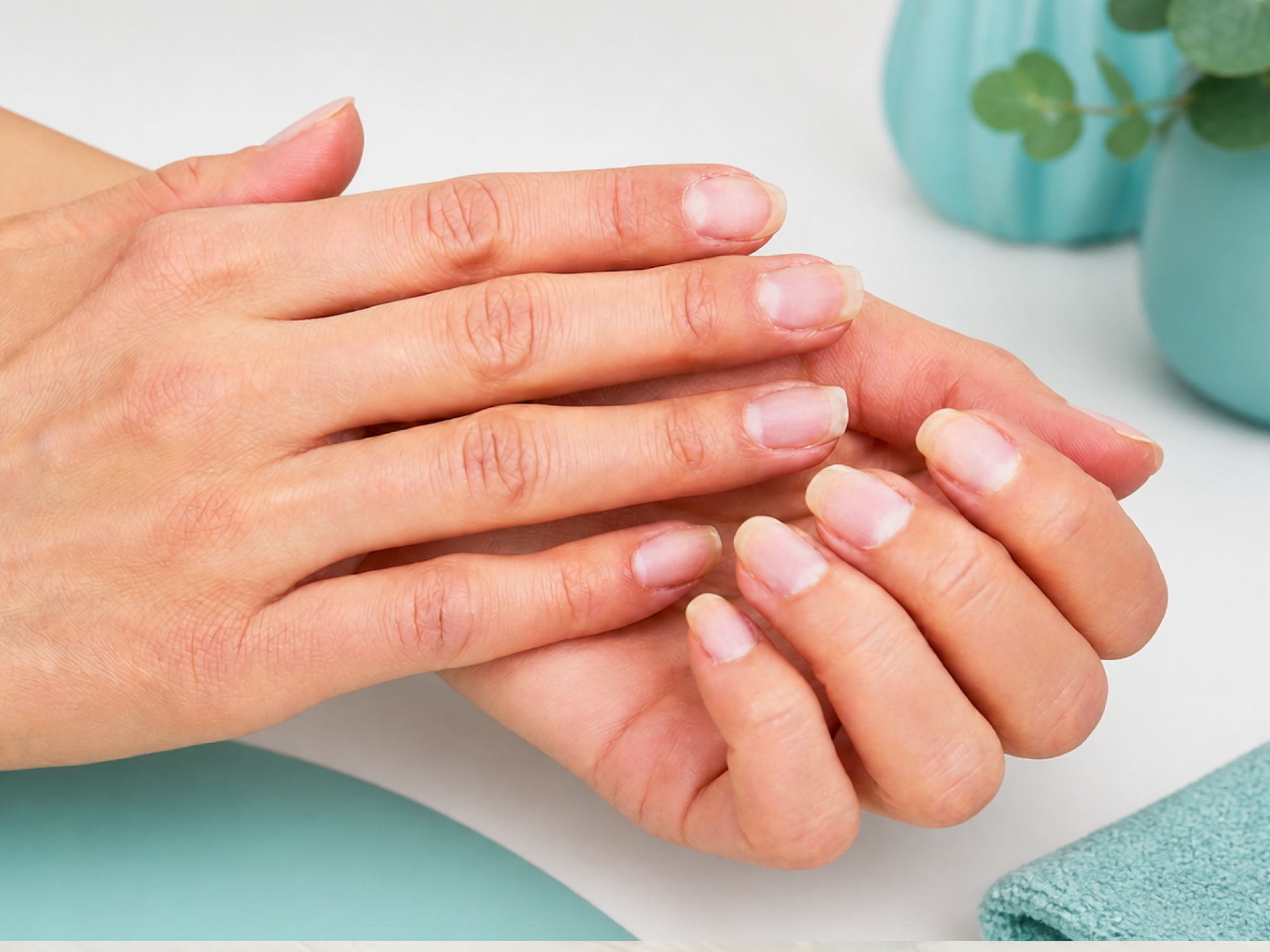
Back-to-school season runs on parental energy — earlier mornings, more driving, more logistics. While you're watching everyone else for fatigue, it's easy to ignore your own. The Ruby app offers adults a simple way to monitor blood health patterns between healthcare visits. Using fingernail selfie technology, Ruby estimates your Iron Score and Circulation Score in seconds. Download Ruby on iOS or Android to start tracking today.
Ruby is designed for adults and provides wellness insights, not a diagnosis. For children and teens, work directly with your pediatrician. As always, if fatigue is severe, persistent, or paired with concerning symptoms, consult a qualified healthcare provider.
Common FAQs
-
How long should back-to-school fatigue last?
About two to three weeks. That's how long most kids and teens need to adjust to earlier wake times and new routines. Fatigue that persists beyond three weeks of a consistent schedule — or gets worse instead of better — warrants a conversation with your pediatrician about possible causes, including low iron.
- What are the signs of low iron in teens?
Persistent fatigue, pale skin, breathlessness during sports, frequent headaches, feeling cold, irritability, restless legs at night, and ice chewing (pica). In teens, low iron often shows up as slipping grades or athletic performance. Menstruating teens and student athletes are at highest risk.
- Can low iron affect concentration and grades?
Yes. Iron is required for oxygen delivery to the brain and for neurotransmitter function, and studies link iron deficiency in children and adolescents with reduced attention, slower processing, and lower academic performance — even before anemia develops. Treating the deficiency can improve concentration over weeks to months.
- How much iron do kids and teens need daily?
Children 4–8 need about 10 mg per day; ages 9–13 need 8 mg. Needs jump in adolescence: teen boys 14–18 need 11 mg, and teen girls need 15 mg because of menstrual losses. For comparison, adult women 19–50 need 18 mg — the highest requirement of any group.
- Should I give my child an iron supplement for fatigue?
Not without medical guidance. Too much iron is harmful, and iron tablets are a leading cause of accidental poisoning in young children. See your pediatrician first, ask about testing hemoglobin and ferritin, and start with iron-rich foods — clinicians will recommend a supplement and dose if testing supports it.
References
American Academy of Pediatrics — Iron deficiency screening and care guidance: https://publications.aap.org/pediatrics/article-abstract/136/4/746/73907/Screening-for-Iron-Deficiency-Anemia-in-Young?redirectedFrom=fulltext
NIH Office of Dietary Supplements — Iron Fact Sheet (RDAs by age): https://ods.od.nih.gov/factsheets/Iron-Consumer/
CDC — Iron and iron deficiency in children and adolescents: https://www.cdc.gov/mmwr/preview/mmwrhtml/00051880.htm


Leave a comment
This site is protected by hCaptcha and the hCaptcha Privacy Policy and Terms of Service apply.