


You’re at a routine appointment when the doctor says a phrase that instantly tightens your chest:
“The results show some pre-cancerous changes.”
Your mind jumps straight to the worst possible outcome.
Is cancer already starting?
How serious is this?
What happens next?
Despite how alarming the word sounds, “pre-cancer” does not mean cancer. In many cases, it means the opposite: a warning sign that allows doctors to detect abnormal changes before they become dangerous.
Understanding what pre-cancer actually means and what it doesn’t can make the concept far less frightening and far more empowering.
What Does “Pre-Cancer” Mean in Medical Terms?
Pre-cancer refers to abnormal cells that have the potential to develop into cancer but have not yet become malignant.
Cells in the body constantly grow, divide, and replace themselves. Occasionally, this process produces cells that look or behave differently from normal cells. When doctors detect these changes under a microscope, they may describe them as pre-cancerous or precancerous lesions [1].
These cells may:
- Grow faster than normal cells
- Appear structurally abnormal
- Show early genetic changes associated with cancer
- Remain confined to the original tissue without spreading
Importantly, many pre-cancerous changes never become cancer at all. Some remain stable for years, while others may even revert to normal tissue depending on the underlying cause and lifestyle factors [2].
This stage exists because cancer typically develops gradually, progressing through multiple biological steps before becoming invasive.
How Do Doctors Detect Pre-Cancer?
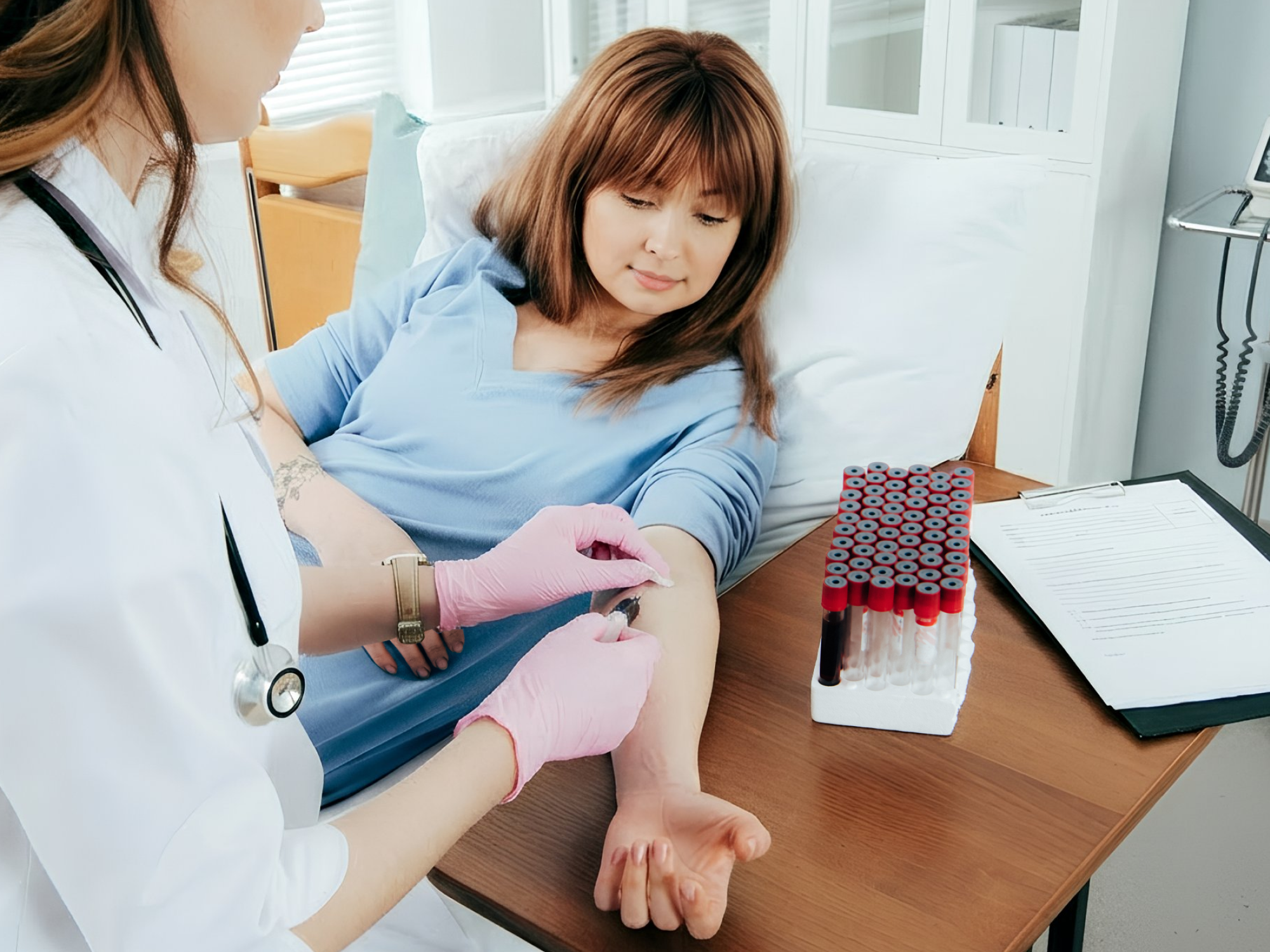
Pre-cancerous changes are most commonly discovered through screening tests designed to catch disease early, often before symptoms appear.
Some well-known examples include:
- Pap smears detect cervical dysplasia before cervical cancer develops
- Colonoscopies identify polyps that could later become colorectal cancer
- Skin exams spot abnormal moles that may progress to melanoma
- Biopsies evaluate suspicious tissue changes
In these cases, screening allows doctors to intervene long before cancer develops, which is why preventive screenings are one of the most effective tools in modern medicine [3].
For example, removing precancerous colon polyps during a colonoscopy can significantly reduce the risk of colorectal cancer later in life [4].
Do Pre-Cancerous Cells Always Turn Into Cancer?
No, and this is one of the most important things to understand.
The progression from normal tissue to cancer is not inevitable. In fact, many pre-cancerous changes never progress.
Whether abnormal cells develop into cancer depends on several factors, including:
- Genetic mutations within the cells
- Chronic inflammation
- Environmental exposures (such as tobacco or UV radiation)
- Hormonal influences
- Immune system response
Because of this uncertainty, doctors typically monitor, remove, or treat precancerous changes early to prevent possible progression [5].
In many cases, this intervention stops the process entirely.
Why Early Detection Matters
Cancer rarely appears overnight.
Most cancers develop through a step-by-step biological process in which healthy cells accumulate mutations and gradually become abnormal. Detecting changes during the pre-cancer stage allows physicians to intervene before it becomes dangerous.
This is why routine screening guidelines exist for conditions such as:
- Cervical cancer
- Breast cancer
- Colorectal cancer
- Skin cancer
Studies consistently show that early detection dramatically improves outcomes because treatment can occur before cancer spreads or becomes harder to manage [6].
Risk Factors That Can Influence Cellular Changes
While pre-cancerous changes can occur in anyone, certain factors increase the likelihood of abnormal cell growth.
These include:
- Tobacco use
- Chronic infections (such as HPV or hepatitis)
- Excessive UV exposure
- Environmental toxins
- Persistent inflammation
- Poor nutrition or metabolic health
Long-term health patterns, including diet, circulation, and oxygen delivery to tissues, can also influence how the body maintains healthy cell growth and repair.
This is why preventive care increasingly focuses not only on treating disease but tracking biological signals that may indicate risk earlier in the process.
How Monitoring Your Health Over Time Can Help
While “pre-cancer” refers to specific cellular changes detected through medical testing, the broader concept highlights an important principle in modern healthcare:
Early signals matter.
Subtle shifts in the body, including changes in circulation, oxygen delivery, and iron status, can reflect broader patterns in overall health and wellness.
The Ruby app offers a simple way to monitor aspects of blood health between doctor visits. Using fingernail selfie technology, Ruby estimates your Iron Score and Circulation Score, helping you track patterns that may affect energy, oxygen transport, and overall well-being over time.
Ruby is not a diagnostic tool, but it can provide a useful baseline and ongoing insight into how your body is changing, supporting proactive health awareness.
Download Ruby on iOS or Android to start tracking today.
As always, if you receive a medical diagnosis or abnormal test result, consult your healthcare provider for appropriate evaluation and care.
References
[1] National Cancer Institute. “Precancerous Conditions.”
https://www.cancer.gov/publications/dictionaries/cancer-terms/def/precancerous
[2] American Cancer Society. “Understanding Precancerous Conditions.”
https://www.cancer.org/cancer/cancer-basics/what-is-cancer.html
[3] Centers for Disease Control and Prevention. “Cancer Screening Tests.”
https://www.cdc.gov/cancer/prevention/screening.html
[4] National Cancer Institute. “Colon Polyps and Cancer Prevention.”
https://www.cancer.gov/types/colorectal/patient/colorectal-prevention-pdq
[5] World Health Organization. “Cancer Prevention.”
https://www.who.int/news-room/fact-sheets/detail/cancer
[6] American Society of Clinical Oncology. “Why Cancer Screening Matters.”
https://www.cancer.net/navigating-cancer-care/prevention-and-healthy-living/cancer-screening


Leave a comment
This site is protected by hCaptcha and the hCaptcha Privacy Policy and Terms of Service apply.