


If you struggle with anemia and notice your fatigue worsening during winter months, you're not imagining things. While anemia causes year-round exhaustion, the combination of colder temperatures, reduced sunlight, and seasonal lifestyle changes can significantly amplify the fatigue you experience. Understanding why winter affects people with anemia more severely—and what you can do about it—empowers you to better manage your energy levels during the challenging months ahead.
How Anemia Makes Winter Harder
Anemia, characterized by insufficient healthy red blood cells to carry adequate oxygen throughout your body, creates unique challenges when temperatures drop and daylight hours shrink.
Temperature Regulation Struggles
Your body's ability to generate and maintain warmth depends heavily on proper oxygen delivery to tissues. When you have anemia, this essential process becomes compromised in several critical ways.
Poor Heat Production: Iron-deficiency anemia specifically impairs your body's metabolic heat production. Research demonstrates that people with low iron levels have significantly reduced heat generation when exposed to cold temperatures [1], meaning your body struggles to warm itself from the inside out.
Circulation Challenges: With fewer red blood cells available to transport oxygen, your body prioritizes delivering what oxygen it has to vital organs. This survival mechanism often means reduced blood flow to extremities like hands and feet, leaving you feeling chronically cold even in moderately cool environments.
Cold Stress Response: The combination of anemia-related oxygen deficiency (hypoxia) and cold weather can trigger what researchers call "cold stress"—a condition where your body loses heat faster than it can generate it. This leads to excessive shivering and rapid energy depletion, leaving you utterly exhausted.
Seasonal Compounding Factors
Winter brings additional challenges that can worsen anemia symptoms beyond the direct effects of cold temperatures.
Reduced Sunlight and Vitamin D: Less sun exposure during winter months leads to lower vitamin D levels, which matters significantly because vitamin D plays a crucial role in iron absorption. When vitamin D levels drop, your body becomes less efficient at absorbing iron from food, potentially worsening existing anemia.
Dietary Changes: Winter diets often include fewer fresh, iron-rich fruits and vegetables as people gravitate toward heavier, processed comfort foods. This seasonal shift can limit the dietary iron intake needed to support healthy red blood cell production precisely when your body needs it most.
Increased Illness Susceptibility: Anemia can weaken immune function since your immune system requires adequate iron to operate properly. This vulnerability leaves you more susceptible to seasonal colds and flu, which require additional energy to fight off and can make anemia-related fatigue feel even more overwhelming.
The Vitamin D Connection
The relationship between vitamin D and iron absorption is more significant than many people realize, making winter's reduced sunlight particularly problematic for those with anemia.
Vitamin D helps regulate hepcidin, a liver hormone that controls iron absorption in your intestines and iron release from storage cells [2]. When vitamin D levels remain adequate, hepcidin production stays balanced, allowing optimal iron absorption. However, when vitamin D becomes deficient—as commonly happens during winter months—hepcidin levels can increase, effectively blocking your body's ability to absorb iron from food and access stored iron reserves.
Additionally, vitamin D's anti-inflammatory properties help reduce inflammation that can interfere with iron utilization. Winter's vitamin D deficiency creates a cascade effect: less vitamin D leads to increased inflammation, higher hepcidin levels, and ultimately worse iron absorption and more severe anemia symptoms.
What to Do About Winter Anemia Fatigue
While winter presents unique challenges for people with anemia, understanding these mechanisms empowers you to take proactive steps toward better management.
Recognition and Diagnosis
It's crucial to distinguish between normal winter fatigue and anemia-related exhaustion. While many people experience some energy dip during shorter, darker days, persistent and extreme fatigue isn't normal. Warning signs that suggest anemia rather than typical winter blues include:
- Constant exhaustion that doesn't improve with adequate rest
- Unusually cold hands and feet, even in heated indoor spaces
- Dizziness or lightheadedness during routine activities
- Shortness of breath during previously manageable tasks
- Rapid heartbeat or heart palpitations
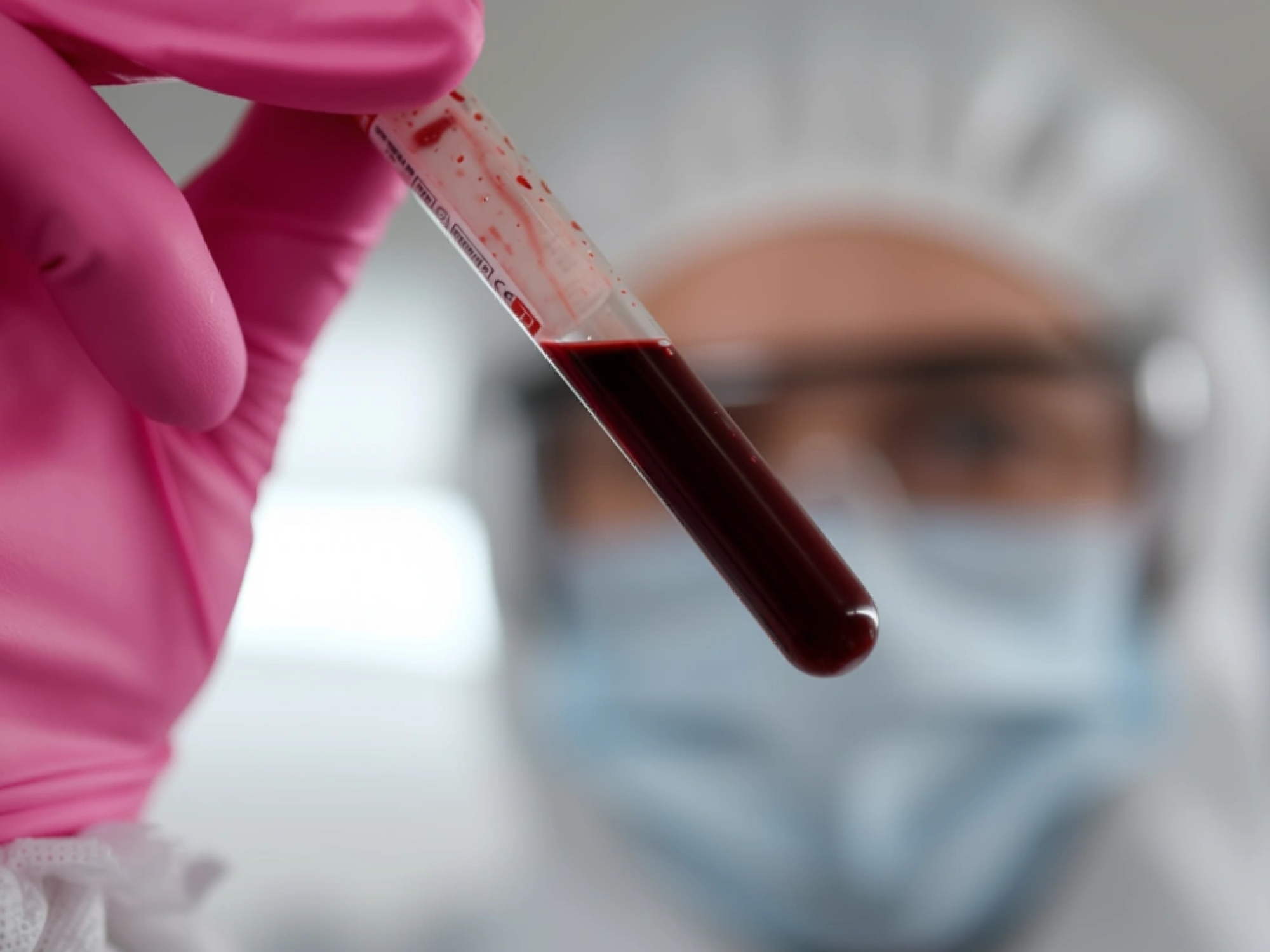
If you experience these symptoms, especially if they worsen noticeably during winter, consult a healthcare provider promptly. A simple blood test can determine if anemia is contributing to your fatigue and help identify the underlying cause requiring treatment.
Management Strategies
Nutritional Approaches: Work with your doctor to develop a comprehensive plan that may include iron supplements or increased consumption of iron-rich foods like red meat, poultry, beans, and dark leafy greens. Pair these with vitamin C-rich foods such as citrus fruits, bell peppers, and broccoli to enhance iron absorption and maximize the benefits of your dietary efforts.
Vitamin D Support: If you have limited sun exposure during winter months, discuss vitamin D supplementation with your healthcare provider. Maintaining adequate vitamin D levels can help optimize iron absorption and support overall energy levels throughout the challenging season.
Energy Conservation: Dress in layers and use heating devices strategically to maintain body temperature without forcing your already-taxed system to work overtime generating heat. This approach conserves precious energy for other essential bodily functions.
Gentle Activity: While it may seem counterintuitive when you're exhausted, light physical activity can improve circulation and help combat some effects of anemia. Even short walks or gentle stretching sessions can boost blood flow and provide modest but meaningful energy improvements.
Technology and Monitoring
Modern technology makes monitoring your blood health during challenging winter months simpler than ever. The Ruby app allows you to estimate your likelihood of iron deficiency through a simple fingernail selfie, which can be helpful for tracking changes between medical visits. Regular monitoring can help you and your healthcare provider identify patterns and adjust treatment plans as needed throughout the winter season.
Moving Forward
Winter doesn't have to mean enduring months of amplified exhaustion. By understanding how anemia and seasonal factors interact, you can take targeted steps to minimize their combined impact on your quality of life. The key is recognizing that your increased fatigue during winter months has real, identifiable physiological causes—and equally real solutions. Working collaboratively with healthcare providers to optimize your iron and vitamin D levels, combined with smart lifestyle adjustments, can help you navigate winter with greater energy, comfort, and confidence.
References
[1] Consensus Research. "Does Low Iron Make You Cold? Temperature Regulation and Metabolic Heat Production Studies." Medical Research Database, 2024.
[2] National Institutes of Health. "The Role of Vitamin D in Regulating the Iron-Hepcidin-Ferroportin Axis." PMC Articles, 2023.
[3] ScienceDirect. "Vitamin D and Anemia: Insights into an Emerging Association." Medical Research Journal, 2024.


Leave a comment
This site is protected by hCaptcha and the hCaptcha Privacy Policy and Terms of Service apply.