

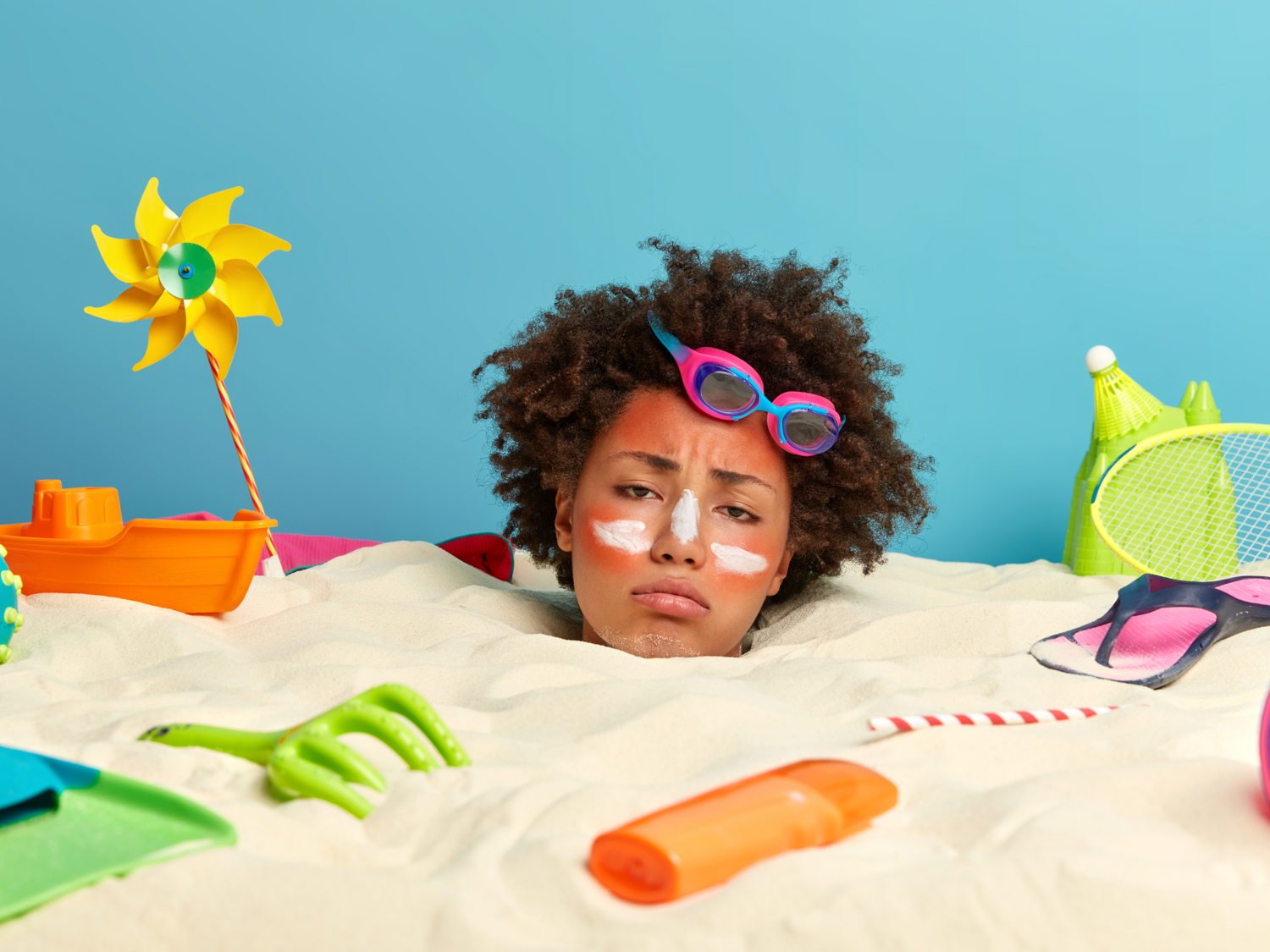
You're sleeping in later.
You're spending more time outside.
You're taking vacations, staying up later, and trying to enjoy the season.
So why do you feel so tired?
Many people expect to feel more energized during summer. Longer days, sunshine, vacations, and outdoor activities should leave us feeling refreshed.
Instead, many experience what feels like a seasonal paradox:
Lower energy.
More fatigue.
Afternoon crashes.
Slower recovery.
It's often called the "summer slump."
While it's easy to blame the heat, the reality is more complex. Changes in hydration, sleep patterns, recovery, and blood volume can all influence how your body feels during the summer months.
Understanding what's happening beneath the surface can help explain why your energy may not match the season.
What Is the Summer Slump?
The summer slump isn't a medical diagnosis.
It's a collection of symptoms many people experience during warmer months, including:
- Fatigue
- Reduced motivation
- Brain fog
- Lower exercise performance
- Increased thirst
- Difficulty recovering from physical activity
While these symptoms can have many causes, several seasonal factors tend to converge during summer.
The result is a perfect storm that can affect energy, circulation, and overall wellness.
How Heat Affects Blood Volume and Circulation
One of the body's primary responses to heat is to increase blood flow to the skin.
This helps release excess heat and regulate body temperature.
To accomplish this, blood vessels near the skin expand through a process called vasodilation, increasing circulation to the body's surface. As temperatures rise, sweating also increases to help cool the body. [1]
The challenge is that sweating causes fluid loss.
When fluid losses aren't fully replaced, blood volume can decrease.
Lower blood volume means:
- The heart may need to work harder
- Circulation efficiency may change
- Oxygen delivery may become less efficient
- Fatigue may develop more quickly
Even mild dehydration can affect both physical and cognitive performance. [2]
The Hidden Impact of Summer Sleep Debt
Summer schedules often look different.
Later sunsets.
Vacations.
Weekend activities.
Kids out of school.
Many people unintentionally accumulate what researchers call sleep debt—the difference between the sleep your body needs and the sleep you actually get. [3]
The effects can be surprisingly significant.
Sleep helps support:
- Physical recovery
- Hormonal regulation
- Cognitive performance
- Immune function
- Energy metabolism
When sleep becomes inconsistent, people often notice:
- Daytime fatigue
- Brain fog
- Reduced focus
- Slower recovery after activity
Because these changes happen gradually, they're easy to attribute to being "busy" rather than recognizing a growing sleep deficit.
Why Recovery Matters More Than Most People Realize
Summer often brings an increase in physical activity.
More walking.
More sports.
More travel.
More time outdoors.
What many people don't realize is that recovery is where adaptation happens.
Recovery allows the body to:
- Restore fluid balance
- Replenish energy stores
- Repair tissues
- Normalize circulation
When hydration, nutrition, or sleep are insufficient, recovery may suffer.
This can create a cycle where people feel increasingly tired despite remaining active.
Why the Summer Slump Can Feel Like Brain Fog
Many people describe the summer slump as more than fatigue.
They also report:
- Difficulty concentrating
- Mental sluggishness
- Reduced productivity
- Lack of motivation
Hydration may play a role.
Research has shown that even mild dehydration can affect attention, memory, and mood. [2]
At the same time, sleep debt can impair cognitive performance and decision-making. [3]
When both factors occur together, it's not surprising that the brain feels less sharp.
The Blood Health Connection
Hydration, circulation, and recovery may seem like separate topics.
In reality, they're closely connected through blood health.
Blood helps:
- Transport oxygen
- Deliver nutrients
- Support temperature regulation
- Remove metabolic waste
When blood volume changes due to dehydration or recovery demands increase during active summer months, the effects may be felt throughout the body. [4]
That's why symptoms like fatigue, brain fog, and reduced endurance often overlap.
They're all connected to how efficiently the body is functioning as a whole.
Why Tracking Patterns Matters More Than Guessing
The summer slump rarely appears overnight.
It usually develops through small changes:
- Less sleep
- More activity
- Increased heat exposure
- Inconsistent hydration
Individually, these shifts may seem minor.
Together, they can create noticeable changes in how you feel.
Tracking trends over time often provides more insight than trying to identify a single cause.
Looking Beyond Energy Drinks and Extra Coffee
When energy dips, many people reach for caffeine.
But caffeine doesn't address hydration, recovery, circulation, or blood health.
Understanding how your body is responding to summer stressors may be more valuable than simply masking symptoms.
The e Ruby app offers a simple way to monitor blood health patterns between healthcare visits. Using fingernail selfie technology, Ruby estimates your Circulation Score, which reflects how blood is moving through your fingertips, and your Iron Score, which reflects the likelihood of iron-related changes that can also influence energy and oxygen delivery.
These wellness insights aren't diagnostic, but they can help you better understand how lifestyle habits, hydration, sleep, and recovery may be affecting your body over time.
Download Ruby on iOS or Android to start tracking today.
As always, if you experience persistent fatigue, dizziness, or concerning symptoms, consult a qualified healthcare provider.
References
[1] National Institutes of Health. National Institute for Occupational Safety and Health. "Heat Stress."
https://www.cdc.gov/niosh/topics/heatstress/
[2] Harvard T.H. Chan School of Public Health. "Water: The Nutrition Source."
https://nutritionsource.hsph.harvard.edu/water/
[3] Cleveland Clinic. "Overtired? Why You’re Exhausted but Can’t Sleep"
https://health.clevelandclinic.org/overtired
[4] Mayo Clinic. "Dehydration."
https://www.mayoclinic.org/diseases-conditions/dehydration/symptoms-causes/syc-20354086


Leave a comment
This site is protected by hCaptcha and the hCaptcha Privacy Policy and Terms of Service apply.