

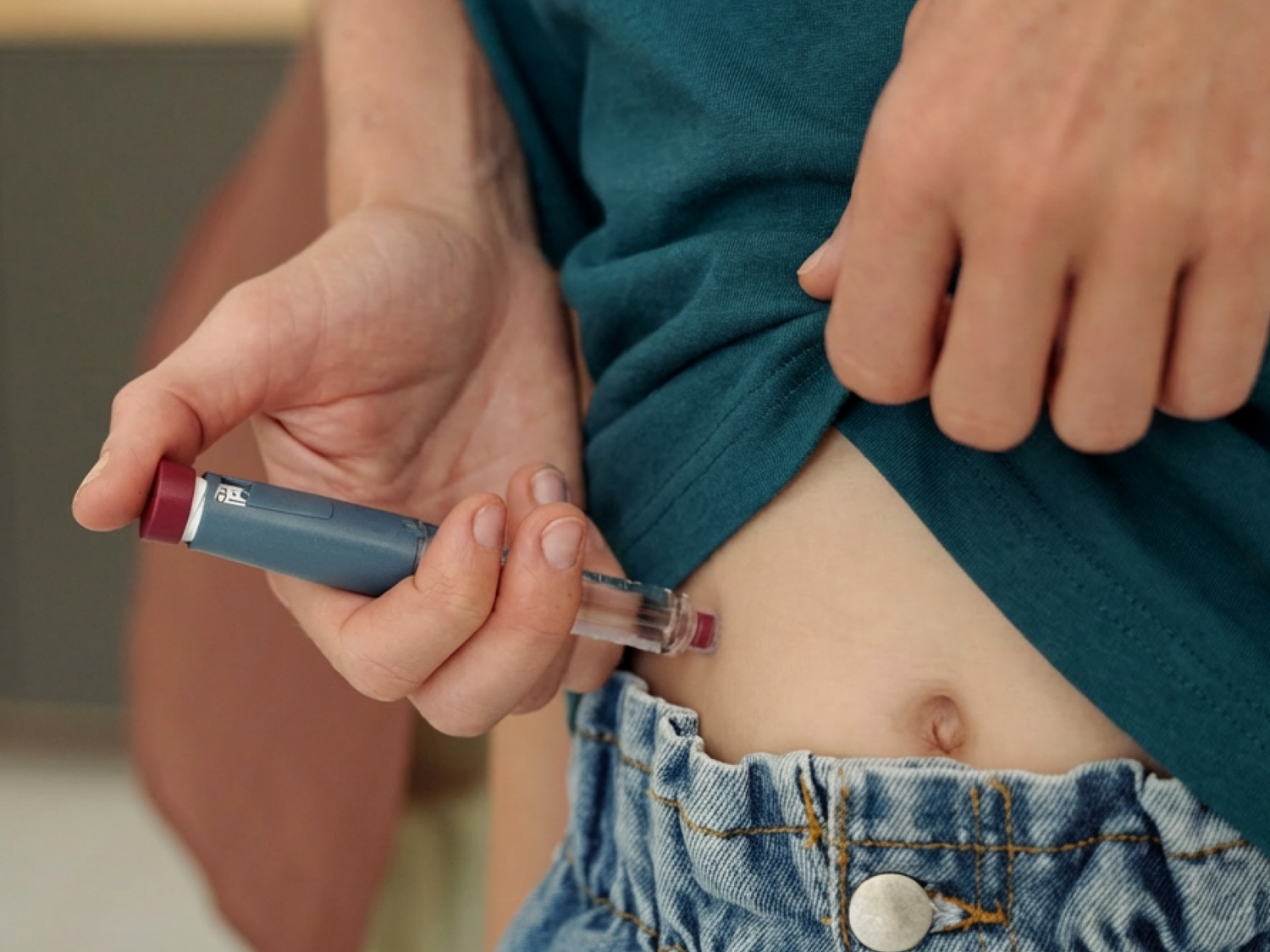
You've been taking your GLP-1 medication for months, eating iron-rich foods regularly, yet your ferritin levels have dropped significantly. Sound familiar? You're not alone—and the explanation lies in how these medications fundamentally alter iron absorption at the cellular level.
How do GLP-1 medications affect iron absorption? GLP-1 medications interfere with iron absorption through three main mechanisms: they slow gastric emptying (reducing the time iron spends in optimal absorption zones), suppress appetite (leading to lower overall iron intake), and may directly alter iron metabolism. These combined effects can reduce iron stores by up to 30%, even when dietary intake appears adequate.
If you're taking medications like Ozempic, Wegovy, or Zepbound, understanding how they affect iron absorption helps you make smarter nutrition choices to protect your blood health. While GLP-1s carry a risk of iron deficiency anemia, understanding the underlying mechanisms empowers you to take preventive action.
How Does Your Body Absorb Iron?
Before exploring how GLP-1 medications interfere, let's understand the basics. Iron absorption happens primarily in the duodenum—the first section of your small intestine—where specific transporters move iron from food into your bloodstream. [1]
The Two Types of Iron
Not all dietary iron is created equal, and this difference becomes crucial on GLP-1 medications.
Heme iron comes exclusively from animal sources like red meat, poultry, and seafood. Your body absorbs 15-35% of heme iron, making it highly efficient. It enters intestinal cells directly through specialized mechanisms with minimal interference from other dietary factors. [2]
Non-heme iron appears in plant foods (legumes, leafy greens, fortified grains) and in smaller amounts in animal tissues. Your body absorbs only 2-10% of non-heme iron. This is why vegetarians need approximately 1.8 times more iron than meat-eaters. [3]
This absorption difference matters significantly when medications interfere with the process. Non-heme iron—already less efficiently absorbed—takes the bigger hit from GLP-1 effects.
The Three Ways GLP-1s Affect Iron Absorption
Now let's explore exactly how GLP-1 medications disrupt iron absorption. Understanding these mechanisms explains why eating iron-rich foods alone may not be enough.
Mechanism #1: Delayed Gastric Emptying
GLP-1 medications significantly slow gastric emptying—the rate at which food moves from your stomach into your small intestine. This is one of the medication's intended therapeutic effects for blood sugar control and weight loss.
However, this delay has unintended consequences for iron absorption. Iron absorption is most efficient in the duodenum, where the environment and specific transporters are optimized for uptake. When food sits longer in your stomach, iron has less time in this optimal absorption zone. [4]
Think of a conveyor belt that's been slowed down—the iron takes longer to reach the processing station, and some may never make it to the right place at the right time. This affects both heme and non-heme iron, though non-heme iron—already less efficiently absorbed—suffers more.
The duodenum has a limited window where conditions favor iron absorption. Delayed gastric emptying means iron may pass through this zone before it's fully released from food, or it arrives when the absorption environment is less favorable. Either way, less iron enters your bloodstream despite adequate dietary intake.
Mechanism #2: Reduced Food Intake
The appetite suppression that makes GLP-1 medications effective for weight loss creates a straightforward problem: when you eat less food overall, you consume less iron. Many people on these medications report eating 30-50% less than before starting treatment. [5]
This wouldn't be an issue if absorption remained normal—you could simply focus on iron-rich choices. But combined with reduced absorption efficiency from delayed gastric emptying, the math becomes problematic. Less iron coming in plus less iron being absorbed equals a double hit to your iron stores.
For those already consuming borderline adequate iron, this reduction quickly tips into deficiency territory. The challenge intensifies for people following plant-based diets, who rely on less efficiently absorbed non-heme iron to begin with.
When every bite counts, the type of iron matters more than ever. While heme iron maintains relatively stable absorption despite GLP-1 effects, non-heme iron absorption becomes increasingly compromised. The combined effect of eating less food and absorbing less iron from that food creates a compounding problem that dietary choices alone may not overcome.
Mechanism #3: Altered Iron Metabolism
Recent research suggests GLP-1 medications may affect iron beyond just absorption. Studies show that people taking GLP-1 receptor agonists have approximately 30% lower ferritin levels (stored iron) compared to those on other diabetes medications. [6]
Research from the University of Michigan found that GLP-1 medications may directly influence iron metabolism pathways, potentially affecting how your body stores and utilizes iron even after it's absorbed. Some studies indicate slight decreases in hemoglobin levels, suggesting possible suppression of red blood cell production. [7]
The exact mechanisms behind these metabolic changes remain under investigation. GLP-1 receptors exist throughout the body, not just in the gut, and their activation may influence how cells take up, store, and release iron. Some research suggests these medications might affect hepcidin—the hormone that regulates iron absorption and distribution—though this connection needs further study.
What's clear is that GLP-1s do more than just reduce iron intake and absorption—they may fundamentally alter how your body handles iron at the cellular level. This makes monitoring critically important, as the effects go beyond what you can control through diet alone.
To understand how these iron changes affect your overall blood health, including oxygen transport and energy levels, it's helpful to see the bigger picture of blood health maintenance.
What You Can Do
Understanding these mechanisms empowers you to take strategic action. While detailed strategies are covered in our iron deficiency prevention guide, here are key takeaways:
Optimize absorption: Pair iron-rich foods with vitamin C to enhance absorption. Even small amounts of meat, poultry, or fish alongside plant-based iron sources can significantly boost non-heme iron uptake through the "meat factor." Avoid tea and coffee with iron-rich meals, as tannins can reduce absorption.
Consider supplements strategically: Work with your healthcare provider to determine if iron supplementation makes sense for your situation. Heme iron supplements are generally better tolerated than traditional non-heme supplements.
Monitor proactively: Discuss baseline iron testing before starting GLP-1 therapy. Don't wait for symptoms like fatigue, weakness, or pale skin—catching depleted iron stores early is far easier to address. Between medical visits, tools like Ruby's Iron Score can help track trends, though it supplements rather than replaces medical care.
For comprehensive nutrition strategies that support blood health, explore our nutrition and blood health guide.
The Bottom Line
GLP-1 medications affect iron absorption through three interconnected mechanisms: delayed gastric emptying reduces the time iron spends in optimal absorption zones, appetite suppression decreases total iron intake, and metabolic changes may alter how your body stores and utilizes iron after absorption. These combined effects can significantly impact iron status, even when dietary intake appears adequate.
The key is understanding that this isn't simply about eating more iron-rich foods—it's about strategically working with (or around) the physiological changes these medications create. By understanding the science behind reduced absorption, you can partner with your healthcare team to implement targeted monitoring and intervention strategies.
Work with your healthcare provider to establish baseline iron levels, optimize your nutrition through strategic food choices, and monitor proactively for changes. Consider tools like Ruby to track trends between medical visits. Share this information with others on GLP-1 medications who might benefit from understanding these important mechanisms.
Remember: This information is for educational purposes and should not replace professional medical advice. Always consult with your healthcare provider about concerns regarding medications or health status.
References
[1] National Institutes of Health Office of Dietary Supplements. "Iron Fact Sheet for Health Professionals."
[2] Active Iron. "How Iron is Absorbed in Your Body."
[3] National Institutes of Health. "Iron Requirements for Vegetarians."
[4] International Journal of Food Science and Technology. "Iron Transporters and Absorption Mechanisms."
[5] Healthline. "Nutrient Deficiency Risk with GLP-1 Medications."
[6] BMJ Open Diabetes Research and Care. "GLP-1 Receptor Agonist Use Associated with Lower Ferritin Levels."
[7] Michigan Medicine. "Could GLP-1 Drugs Lower High Iron Levels."


Leave a comment
This site is protected by hCaptcha and the hCaptcha Privacy Policy and Terms of Service apply.