

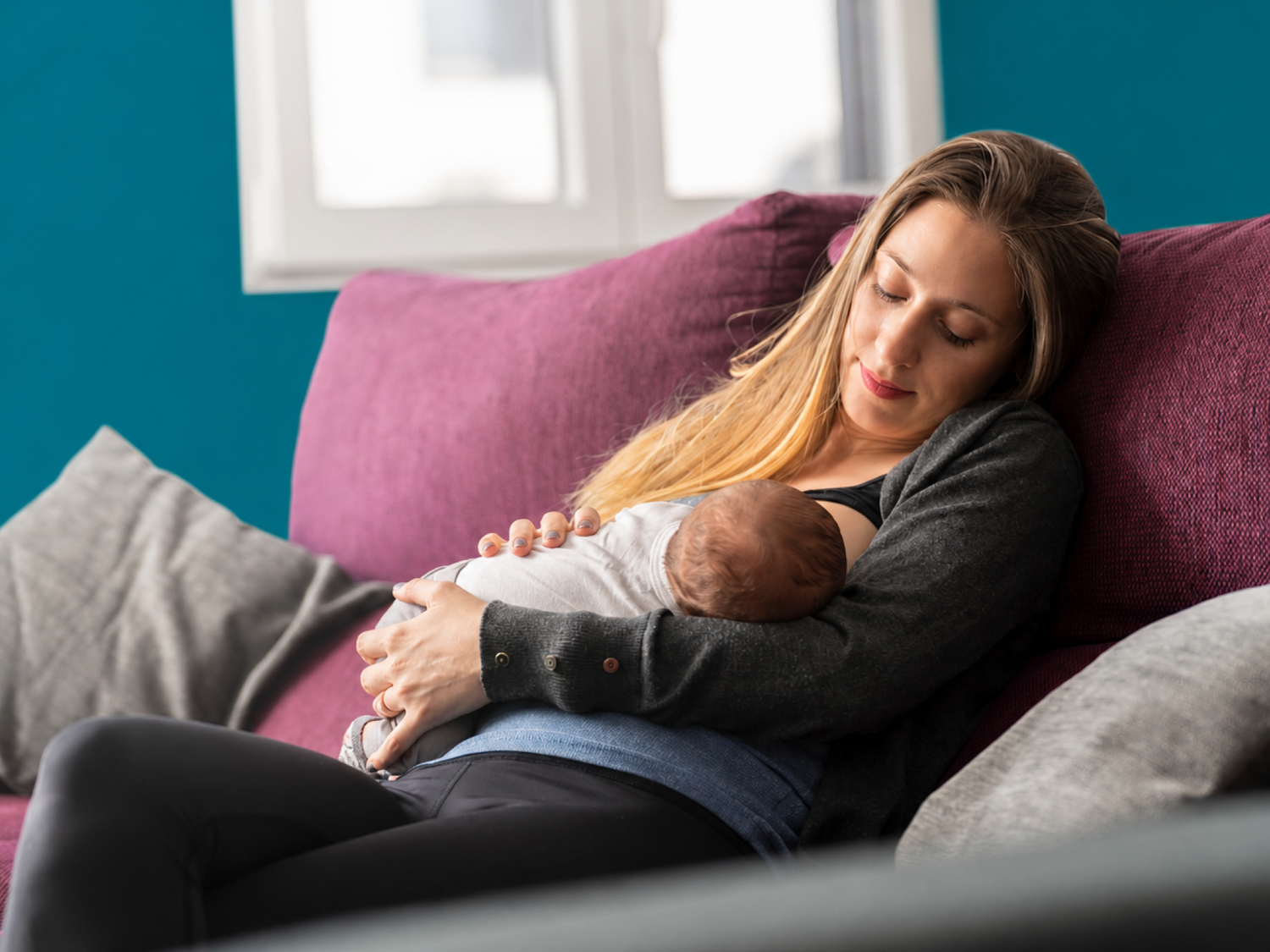
Everyone told you you'd be tired. But this feels different — the kind of exhaustion that doesn't lift on the rare night the baby sleeps, that makes the stairs feel like a workout, that leaves you searching for words mid-sentence.
For many new moms, that's simply the fourth trimester. For others, something else is going on: low iron. During World Breastfeeding Week, most of the conversation centers on the baby. This post is about you — because the months after birth are one of the most common windows for iron deficiency in a woman's life.
Why Are New Moms So Prone to Low Iron?
It starts long before delivery. During pregnancy, your blood volume expands dramatically, and your baby draws on your iron to build their own stores — especially in the third trimester. Then comes delivery itself, which involves meaningful blood loss even when everything goes smoothly.
Risk is higher if any of these apply:
- You were anemic during pregnancy, or entered pregnancy with borderline iron stores — very common among women of reproductive age.
- You had heavy bleeding during or after delivery, or a cesarean birth.
- Your pregnancies are closely spaced, leaving little time to rebuild stores between them.
- You carried multiples, which raises iron demands further.
Does Breastfeeding Cause Anemia?
Not directly — and this surprises many people. The iron content of breast milk is relatively low and stays fairly stable even when a mother's own iron is depleted. Breastfeeding also often delays the return of your period, which temporarily pauses monthly iron losses.
The real issue is that breastfeeding asks a lot of a body that may already be running on empty. Milk production is metabolically demanding, sleep is fragmented, and meals are often whatever can be eaten one-handed. If your stores were drained by pregnancy and delivery, this is the season when the deficit tends to show up as symptoms.
New-Parent Tired vs. Low-Iron Tired: How Can You Tell?
There's no perfect line between the two, but low iron tends to come with company:
- Fatigue that doesn't improve even when you do manage a decent stretch of sleep
- Pale skin, or paleness inside the lower eyelids
- Feeling breathless or heart-poundy after mild effort, like carrying the car seat upstairs
- Cold hands and feet
- Cravings for ice or other non-foods (a phenomenon called pica)
- Hair shedding beyond the typical postpartum shed
- Brain fog, low mood, or anxiety that feels physical rather than situational
Any one of these alone can have other explanations. Several together — persisting past the early weeks — are worth a conversation with your provider.
Why It Matters for More Than Energy
Postpartum anemia isn't just about feeling drained. Research links low iron after birth with greater fatigue, reduced exercise tolerance, and a higher likelihood of postpartum depressive symptoms. Some studies also suggest associations with lower milk supply and earlier weaning, though the evidence is still evolving. Iron supports thyroid function and the neurotransmitters that regulate mood — which is exactly why deficiency can feel emotional as well as physical.
How to Rebuild Iron After Birth
- Don't skip the postpartum checkup — and ask specifically about ferritin (stored iron), not just hemoglobin. Ferritin drops first.
- Keep iron on the plate: red meat, poultry, eggs, lentils, beans, tofu, and fortified cereals are all workable one-handed.
- Pair plant iron with vitamin C — berries, citrus, tomatoes, or bell peppers can meaningfully improve absorption.
- Separate coffee and tea from meals by about an hour; their tannins reduce iron absorption.
- Ask about continuing your prenatal or adding an iron supplement — dose and timing matter, so get guidance rather than guessing.
- Take bleeding seriously: if postpartum bleeding is heavy or returns, contact your provider promptly.
Tracking Your Recovery Between Appointments
For most moms, the standard postpartum schedule includes exactly one checkup — and a lot can change in the months that follow. The Ruby app offers a simple way to monitor blood health patterns between healthcare visits. Using fingernail selfie technology, Ruby estimates your Iron Score and Circulation Score — no needles, no lab visit, no babysitter required. Download Ruby on iOS or Android to start tracking today.
Ruby provides wellness insights, not a diagnosis. As always, if you experience persistent fatigue, dizziness, shortness of breath, or other concerning symptoms — or heavy bleeding at any point postpartum — consult a qualified healthcare provider.
Common FAQs
-
Does breastfeeding cause iron deficiency?
Not usually. Breast milk contains relatively little iron, and breastfeeding often delays the return of periods, pausing monthly iron losses. Most postpartum iron deficiency comes from depleted stores during pregnancy and blood loss at delivery — breastfeeding simply adds demand to a body that may already be low.
- How common is postpartum anemia?
Very common. Estimates vary by population, but research suggests roughly one in four new mothers in high-income countries experiences postpartum anemia, with higher rates after heavy delivery blood loss or anemia during pregnancy. Many cases go undiagnosed because symptoms are dismissed as normal new-parent exhaustion.
- What are the signs of low iron while breastfeeding?
Watch for fatigue that doesn't improve with rest, pale skin, breathlessness after mild effort, cold hands and feet, hair shedding beyond the normal postpartum shed, brain fog, and cravings for ice. Several symptoms together, persisting past the early weeks, warrant an iron check with your provider.
- Can low iron affect milk supply?
Possibly. Some studies associate postpartum anemia with reduced milk supply and earlier weaning, though the evidence is mixed. What's clearer is that low iron affects maternal energy and mood — both of which shape the breastfeeding experience. Treating deficiency supports the mother, which supports the feeding relationship.
- When should I get my iron tested after giving birth?
Ask at your postpartum checkup — typically around six weeks — and request ferritin, not just hemoglobin, since stored iron drops first. Test sooner if you had heavy delivery blood loss, were anemic during pregnancy, or have symptoms like persistent fatigue, dizziness, or breathlessness.
References
World Health Organization — Anaemia in women and children (global prevalence data): https://www.who.int/data/gho/data/themes/topics/anaemia_in_women_and_children
NIH Office of Dietary Supplements — Iron Fact Sheet for Health Professionals: https://ods.od.nih.gov/factsheets/Iron-HealthProfessional/
American College of Obstetricians and Gynecologists — Anemia in Pregnancy guidance: https://www.acog.org/clinical/clinical-guidance/practice-bulletin/articles/2021/08/anemia-in-pregnancy



Leave a comment
This site is protected by hCaptcha and the hCaptcha Privacy Policy and Terms of Service apply.