


Winter should be a break from the heat — so why do so many women report that menopause symptoms actually get worse during the coldest months? The answer involves a surprising mix of biology, environment, and seasonal shifts that can amplify everything from hot flashes to mood changes. Understanding how winter affects your body during menopause is the first step toward managing symptoms more effectively, no matter the forecast.
Why Are Menopause Symptoms Worse in Winter?
Several factors converge during winter that can intensify menopause symptoms.
Temperature differentials trigger hot flashes. Moving between freezing outdoor air and heated indoor spaces creates rapid temperature swings. These shifts can destabilize the body's thermoregulatory system, which is already more sensitive during menopause due to fluctuating estrogen levels. The hypothalamus — the brain's temperature control center — narrows its "thermoneutral zone" as estrogen declines, meaning even small temperature changes can trigger a hot flash [1].
Reduced sunlight affects mood and energy. Shorter days mean less exposure to natural light, which directly reduces the body's production of vitamin D and serotonin. Since estrogen also influences serotonin levels, the combination of hormonal changes and seasonal light reduction creates a compounded effect on mood and energy [2].
Dry winter air worsens existing dryness. Declining estrogen already reduces the body's moisture production — affecting skin, eyes, and mucous membranes. Cold outdoor air holds less moisture, and indoor heating systems further strip humidity from your environment, doubling down on dryness symptoms that menopause has already set in motion.
Hot Flashes and Temperature Regulation in Cold Weather
The winter hot flash paradox catches many women off guard. You'd expect cold weather to help, but the constant cycling between heated buildings and freezing temperatures actually makes hot flashes more frequent and intense for many women.
Indoor heating is a major culprit. Overheated rooms — especially at night — can trigger hot flashes just as effectively as summer heat. Heavy winter clothing compounds the problem by trapping heat against the body, making it harder to cool down once a flash starts.
Practical strategies that help:
- Layer with breathable fabrics. Moisture-wicking base layers allow you to shed warmth quickly when a flash hits without being left in the cold afterward.
- Keep indoor temperatures moderate> Lowering your thermostat and avoiding overheated rooms can help minimize the temperature swings that trigger flashes [6].
- Pay attention to circulation. Blood flow to your extremities plays a role in how your body regulates temperature. Poor circulation can make temperature swings feel more dramatic.
Winter Mood Changes and Menopause
Seasonal Affective Disorder (SAD) and menopause mood swings share a common factor: serotonin. During winter, reduced sunlight decreases serotonin production. During menopause, declining estrogen also reduces serotonin availability. When both happen simultaneously, the effect on mood can be significant.
It is estimated that millions of Americans experience SAD each winter, with women being diagnosed at higher rates than men [3]. Women in menopause may be particularly vulnerable because they're experiencing two simultaneous serotonin-reducing factors.
What helps:
- Light therapy using a 10,000-lux light box for 20–30 minutes each morning can help compensate for reduced natural light.
- Regular exercise — even 30 minutes of moderate activity — supports serotonin and endorphin production.
- Vitamin D supplementation can help offset reduced sun exposure. The Endocrine Society recommends that adults maintain adequate vitamin D levels, though individual needs vary based on age, health status, and sun exposure [4].
- Social connection is often underestimated. Winter isolation can worsen mood symptoms, so maintaining regular social contact matters.
Sleep Disruption: Night Sweats Meet Darker Days
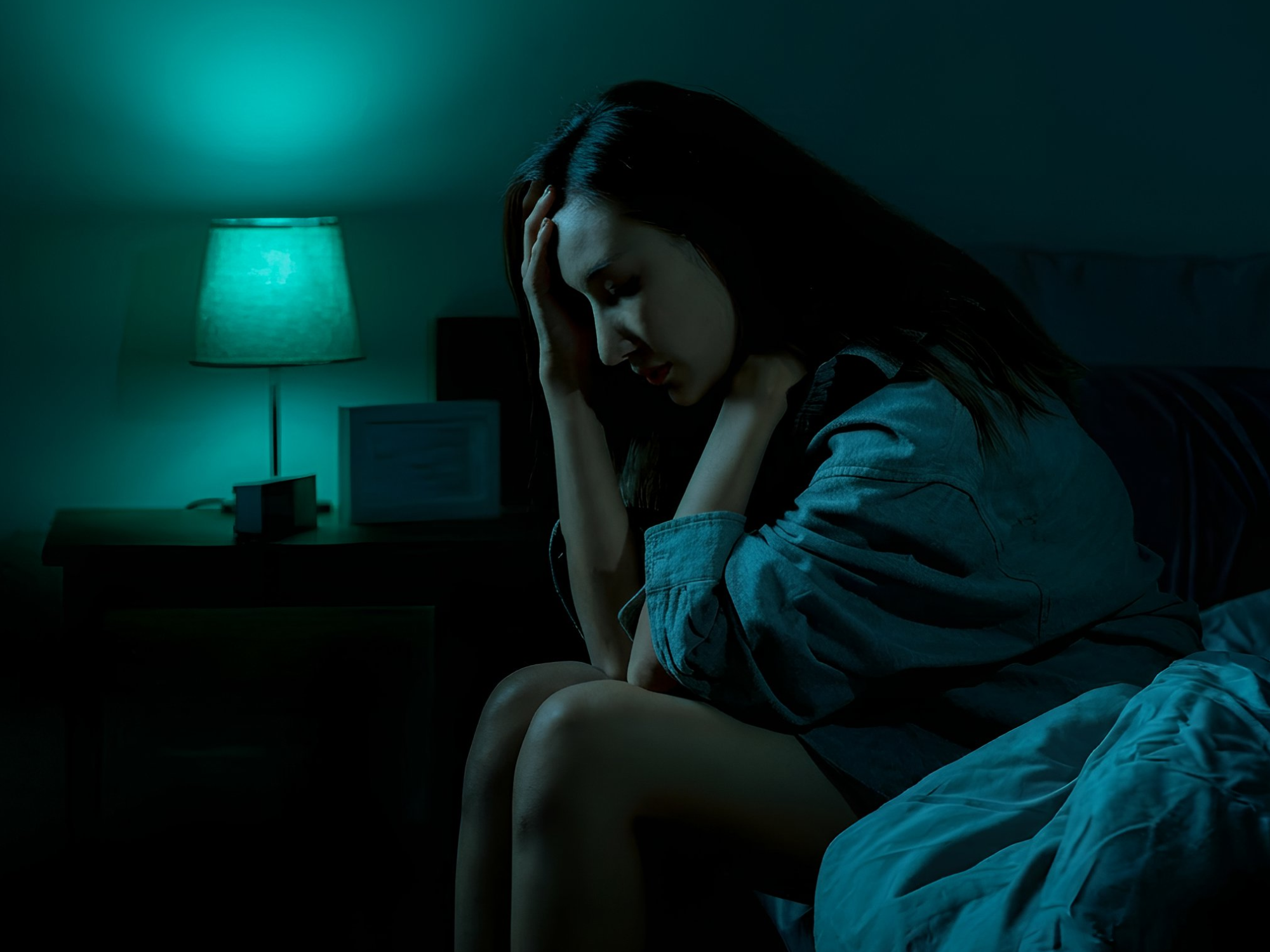
Winter creates a double challenge for sleep. Night sweats — one of the most disruptive menopause symptoms — get amplified by heavy blankets and heated bedrooms. At the same time, the longer darkness of winter can disrupt your circadian rhythm by altering melatonin timing, making it harder to both fall asleep and wake up at consistent times.
Better winter sleep strategies:
- Use breathable, layered bedding instead of one heavy comforter. This lets you adjust quickly when night sweats hit.
- Keep the bedroom cooler than the rest of the house. Cleveland Clinic recommends setting your bedroom between 60–67°F for optimal sleep quality [5].
- Maintain a consistent sleep schedule despite the temptation to sleep longer during dark mornings.
- Limit caffeine after noon and avoid alcohol close to bedtime, as both can worsen night sweats.
Skin and Hydration During Winter Menopause
Estrogen supports collagen production and skin moisture retention. As estrogen declines during menopause, skin becomes thinner and drier. Winter's low-humidity air — both outdoors and in heated indoor spaces — accelerates this moisture loss.
How to protect your skin and stay hydrated:
- Use a humidifier in your bedroom and main living spaces to add moisture back to heated air. Aim for 30–50% indoor humidity.
- Switch to richer, cream-based moisturizers during winter months. Look for ingredients like hyaluronic acid and ceramides that help retain moisture.
- Increase water intake intentionally. You may not feel as thirsty in cold weather, but your body still needs adequate hydration — especially when indoor heating is pulling moisture from your skin and respiratory system.
Supplements and Nutrition for Winter Menopause Support
Several nutrients become especially important during winter menopause, when seasonal factors compound hormonal changes.
- Vitamin D is critical. With less sunlight, most people in northern climates don't produce enough vitamin D through sun exposure alone during winter. Vitamin D supports bone health, mood regulation, and immune function — all areas affected by menopause.
- Iron matters because fatigue is one of the most common menopause complaints, and it intensifies in winter. Monitoring your iron levels helps distinguish between menopause-related fatigue and iron deficiency — two conditions that often overlap but require different approaches.
- Omega-3 fatty acids support mood stability and may help with joint stiffness that worsens in cold weather.
- Magnesium supports sleep quality and muscle relaxation — both of which can be disrupted during menopause.
Always consult your healthcare provider before starting any new supplement regimen, as individual needs vary and some supplements can interact with medications.
Tracking Your Winter Wellness
One of the most effective things you can do during winter menopause is track how seasonal changes affect your specific symptoms. Patterns that feel random often become clearer when you see them mapped over time — like whether your hot flashes increase on days you spend more time in heated buildings, or whether your mood dips correlate with consecutive low-sunlight days.
The Ruby app can help you monitor several of these factors in one place. Ruby tracks mood, supplement intake, hydration, and menstrual cycle changes alongside your Iron and Circulation Scores — giving you a fuller picture of how winter is affecting your body. Ruby is a wellness monitoring tool and is not intended to diagnose or treat any medical condition.
Download Ruby today on the iOS or Android app stores.
Conclusion
Winter doesn't have to mean worse menopause symptoms. By understanding why cold weather amplifies certain symptoms — and taking proactive steps like adjusting your environment, supporting your nutrition, and tracking your patterns — you can stay ahead of seasonal changes rather than reacting to them. And as always, talk to your healthcare provider about any symptoms that concern you or significantly impact your quality of life.
Share this article with someone who might benefit from understanding the winter-menopause connection.
References
[1] The North American Menopause Society. "Hot Flashes." https://menopause.org/patient-education/menopause-topics/hot-flashes
[2] Penckofer, S., et al. "Vitamin D and Depression: Where is all the Sunshine?" Issues in Mental Health Nursing, 2010. https://pmc.ncbi.nlm.nih.gov/articles/PMC4673349/
[3] National Institute of Mental Health. "Seasonal Affective Disorder." https://www.nimh.nih.gov/health/publications/seasonal-affective-disorder
[4] The Endocrine Society. "Vitamin D for Prevention of Disease." https://www.endocrine.org/clinical-practice-guidelines/vitamin-d-for-prevention-of-disease
[5] Cleveland Clinic. "What Is the Ideal Sleeping Temperature for My Bedroom?" https://health.clevelandclinic.org/what-is-the-ideal-sleeping-temperature-for-my-bedroom
[6] Mayo Clinic. "How to Get Relief from Hot Flashes." https://mcpress.mayoclinic.org/women-health/how-to-get-relief-from-hot-flashes/


Leave a comment
All comments are moderated before being published.
This site is protected by hCaptcha and the hCaptcha Privacy Policy and Terms of Service apply.